Interweaving Spiritual Wisdom: Brahma Kumaris, Newton, Aurobindo, Meher Baba, Hawkins, Buddhism, and Taoism
The Nature of the Soul and the Divine Self At
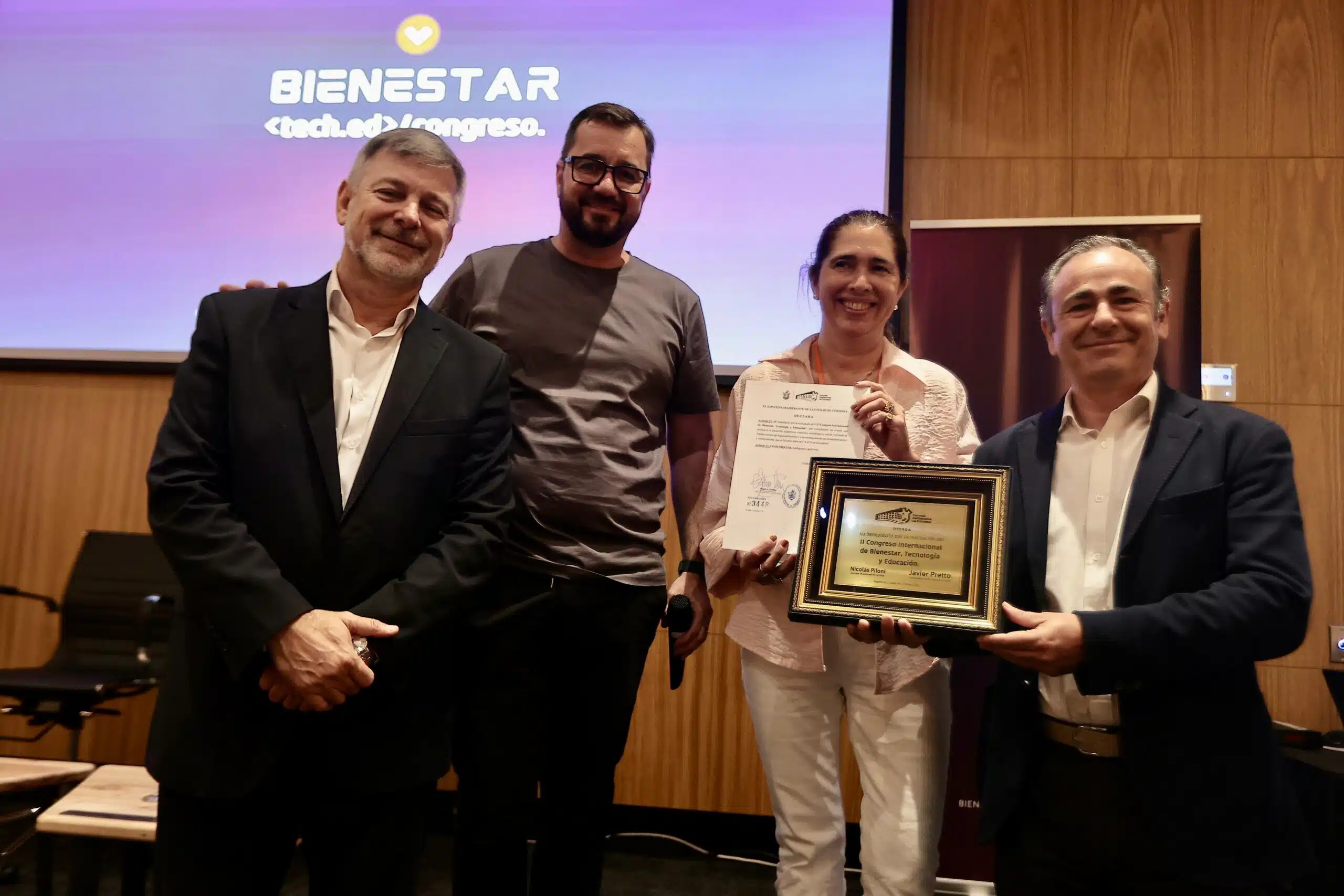

After lighting up Buenos Aires with the World Happiness Fest 2025, the wave of Regenerative Happiness rolled into Córdoba – Argentina’s historic city known for its first university and thriving tech sector. Just days after Buenos Aires “transformed into a vibrant laboratory of joy”, Córdoba hosted its own edition of the global happiness movement, carrying forward the momentum and setting the stage for the next gathering in Mendoza. The theme of 2025 – Regenerative Happiness – continued to guide these events as a “practical path to achieving peace, rooted in the well-being of individuals and the planet”. In Córdoba, that vision took on local flavor: a focus on building an Ecosystem of Well-Being that could turn the city into a living model of happiness-driven development.
In Buenos Aires on November 13, hundreds came together across generations, sectors, and cultures to be happiness rather than just talk about it. The festival’s success in the capital – where city officials, educators, businesses, and artists aligned around well-being – offered a glimpse of what happens “when leadership, community, art, education, and enterprise align around well-being”. That momentum flowed directly into the World Happiness Fest Córdoba, held a week later at the Centro Cultural Córdoba. With the backing of the World Happiness Foundation (WHF), this was the first time the global festival touched down in Córdoba province, projecting the provincial capital as a new Latin American capital of “intelligent well-being”.
Officials from the Córdoba government opened the event, signaling public commitment to happiness as a policy goal. The gathering was part of a polycentric global festival – one of dozens of WHF events worldwide – and it brought an international endorsement similar to the Buenos Aires edition. Leaders from Spain, Mexico, Chile, the U.S., Guatemala, the Dominican Republic and beyond joined local academics, entrepreneurs, and social innovators in Córdoba. Together, they explored how healing and renewal – the essence of Regenerative Happiness – can create more harmonious communities. Crucially, they also asked the question Buenos Aires had posed: what does a city that truly cares about happiness look like? Panels in the capital had examined how governments weave well-being into public policy. Now, Córdoba’s authorities and change-makers set out to turn that vision into reality, aiming to transform their own city into a “City of Happiness.”
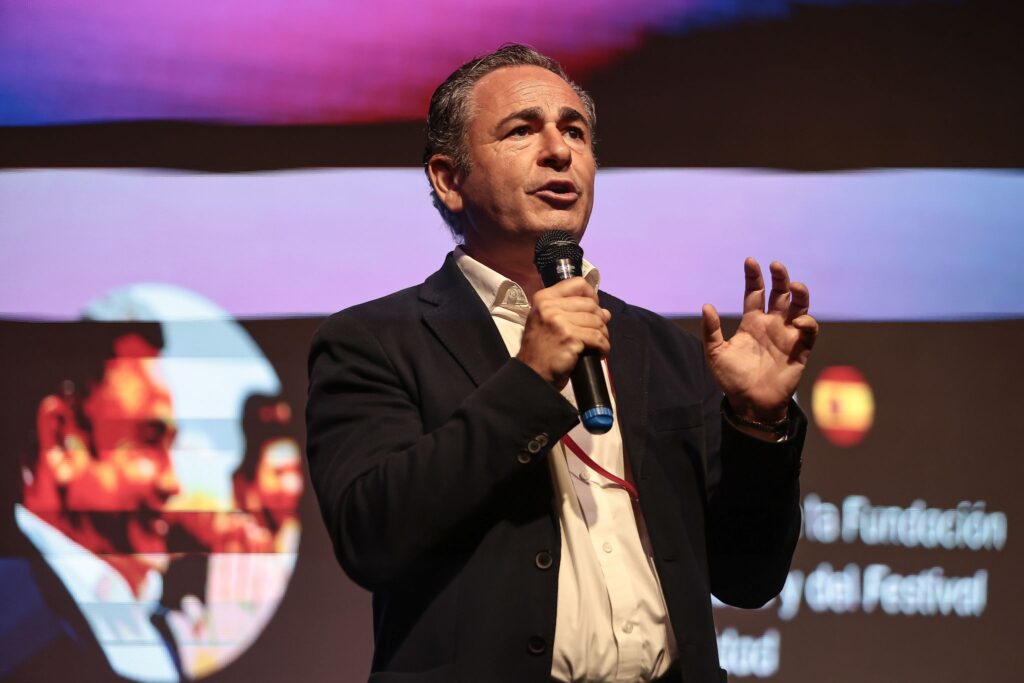
Córdoba’s World Happiness Fest emphasized emotional well-being and human-centered values. During one session, the words “Somos seres emocionales que razonan” (“We are emotional beings who reason”) lit up the stage, underscoring the event’s focus on placing human emotions and needs at the core of innovation.
Local leaders in Córdoba embraced the challenge of building a well-being ecosystem from the ground up. “Córdoba siempre ha sido revolucionaria: tenemos la primera universidad del país, un polo tecnológico consolidado y un enorme caudal de talento,” noted Soledad Kempa – co-founder of the Ecosistema de Bienestar initiative – as she highlighted the province’s strengths (“Córdoba has always been revolutionary: we have the country’s first university, a solid tech hub, and enormous talent”). Kempa, who spearheaded the Congress in Córdoba, believes the city has all the conditions to lead in this new paradigm of “bienestar inteligente” (smart well-being). The festival was organized by the World Happiness Foundation alongside Córdoba’s own Instituto de Bienestar (Well-Being Institute), ensuring local context and leadership were front and center. Provincial authorities even declared the event of provincial tourist interest, underscoring institutional support to make well-being part of the region’s identity.
From the outset, government officials, including Córdoba’s city and provincial representatives, actively participated – not only in ceremonial welcomes but in panels on public policy for happiness. Their presence was a statement: Córdoba’s public sector is on board to integrate happiness and well-being into governance. “Córdoba reúne todas las condiciones para ser sede… es el corazón del país, un territorio con una fuerza histórica y educativa única,” affirmed Gaspar Contreras of the World Happiness Foundation, underscoring that Córdoba was the perfect host (“Córdoba has all the conditions to host this; it’s the heart of the country, with unique historical and educational strength”). By hosting this first WHF Congress, Córdoba “reafirma su vocación de liderazgo regional en bienestar, innovación social y desarrollo humano” – reaffirmed its intent to lead the region in well-being, social innovation and human development. Local organizers and officials voiced a commitment to continue building “policies, spaces and organizational cultures that put people at the center”, effectively laying groundwork for a true City of Happiness.
If one word encapsulates Córdoba’s approach to happiness, it is interdisciplinary. The event’s official title – International Congress of Well-Being, Technology and Education – hinted at this cross-cutting focus. Over three days, the Congress gathered specialists from fields as diverse as medicine, mental health, human resources, education, arts, and tech entrepreneurship. Their mission: to connect the dots between innovation and quality of life. “Córdoba tiene las condiciones para articular el potencial educativo y tecnológico… con las nuevas demandas de bienestar a nivel global,” Kempa explained ahead of the event (“Córdoba has the conditions to link its educational and technological potential with new global well-being demands”). With a strong university ecosystem and a vibrant software industry, the city is poised to blend tech talent with well-being initiatives.
That vision was evident throughout the Fest. In one panel, local startups like Exomindset and Creativos Digitales showcased cutting-edge ideas at the intersection of innovation and purpose. From robots and AI designed to support mental health to educational technology for teaching socio-emotional skills, the message was clear: technology and happiness can go hand in hand. Another session, “Tecnología y educación socioemocional,” demonstrated how digital platforms are being used to teach emotional intelligence in schools. Dr. Diego Conci took the stage to explore advances in medicine for well-being, while other experts highlighted wellness tourism, sustainable urban design, and workplace well-being innovations – all leveraging new methodologies to “mejorar la vida en comunidad” (improve life in the community).
Interdisciplinary collaboration was not just a buzzword but a lived reality at the festival. City officials sat alongside psychologists and startup founders; academics exchanged ideas with corporate CEOs and mindfulness coaches. “Teachers sat next to CEOs, students next to spiritual leaders, public servants next to social entrepreneurs,” as had been seen in Buenos Airesl – and Córdoba mirrored that same rich mix of perspectives. By intentionally bringing these sectors together, the Fest created a space where previously siloed actors could find each other. One objective, Kempa noted, was to connect individuals and groups “que están trabajando de manera aislada… y que no sabe que el otro existe” – those working in isolation not realizing others are out there – to form a more unified well-being movement. The result was an exchange of ideas that crossed disciplines and industries, sparking new alliances devoted to collective flourishing.
Córdoba’s Happiness Fest made it clear that well-being is multidimensional – touching every aspect of society. The agenda deliberately covered a wide range of well-being dimensions, ensuring that happiness wasn’t discussed in the abstract but in the concrete contexts of daily life:
These interconnected dimensions all found a home under Córdoba’s Ecosystem of Well-Being. As local news noted, the event “abordó las tendencias del bienestar actual: la educación emocional, la felicidad organizacional y corporativa, la sostenibilidad, la inteligencia emocional, el turismo de bienestar, la inclusión laboral y el uso ético de la tecnología” – it addressed today’s well-being trends: emotional education, organizational and corporate happiness, sustainability, emotional intelligence, wellness tourism, labor inclusion, and ethical tech use. In sum, happiness was discussed not in a vacuum, but across every realm of life – from the boardroom to the classroom, from our screens to our cities.
As the Córdoba Congress came to a close with an immersive art-and-music círculo de felicidad (circle of happiness) and a collective mindfulness session, it was clear this was more than a conference – it was the spark of a movement in the city. Attendees left not just with business cards, but with new partners, ideas, and the resolve to keep building this ecosystem of well-being locally. “El Congreso… no solo dejó aprendizajes y nuevas alianzas, sino también el compromiso de seguir construyendo… espacios y culturas organizacionales que coloquen a las personas en el centro,” one report concluded – the event not only left lessons and new alliances, but also a commitment to keep building spaces and cultures that put people at the center. In other words, Córdoba’s journey as a City of Happiness has truly begun.
This continuity of Regenerative Happiness now heads west to Mendoza, where the next World Happiness Fest gathering is poised to build on Argentina’s happiness momentum. “¡Seguimos expandiendo la ola de la Felicidad Regenerativa en Argentina!” proclaimed the organizers – we continue expanding the wave of Regenerative Happiness in Argentina – as they announced the upcoming Mendoza edition. Scheduled for December 4–6 in the foothills of the Andes, the Mendoza fest (billed as the II International Congress of Happiness) will explore “Leadership, Purpose, Innovation, and Well-Being — at work, in education, in our cities, and within our communities”. In many ways, this picks up right where Córdoba left off: diving even deeper into how enlightened leadership and innovation can embed well-being into every sector of society. Mendoza – a city famed for wine and natural beauty – “vuelve a ser el epicentro mundial de la felicidad” (“is becoming the world epicenter of happiness once again”) in early December, signaling that the happiness revolution is not a one-city wonder, but a chain reaction spreading across regions.
For those who participated in Córdoba, the spirit of collaboration and optimism now carries into Mendoza. Policymakers who saw what worked in Córdoba’s labs of joy will meet entrepreneurs and educators in Mendoza to trade lessons on sustaining this movement. The theme Regenerative Happiness will continue to tie these gatherings together, emphasizing renewal – be it personal healing, community rebuilding, or ecological sustainability – as the path to lasting joy. As World Happiness Foundation President Luis Gallardo reminded us during the Córdoba event, the mission is to make happiness, consciousness, and freedom universal human rights, not privileges. Achieving that means every city must become a happiness hub in its own way.
Córdoba’s experience showcases a hopeful model: when a city’s leaders, businesses, educators, and citizens unite around well-being, “happiness stops being a slogan and becomes a shared way of being in the world”l. What was once an abstract ideal starts to look like measurable progress – in healthier workplaces, more empathetic schools, more inclusive tech design, and friendlier public spaces. The World Happiness Fest in Córdoba turned these ideas into tangible experiences: mindfulness stations in government halls, tech demos for mental health, art installations about joy, and frank policy dialogues all under one roof. It treated happiness not as a mere personal pursuit, but as a systemic goal, something that communities build together.
From Buenos Aires to Córdoba – and soon in Mendoza – Argentina’s 2025 happiness journey underlines a key lesson: Regenerative Happiness grows stronger as it moves forward. Each city builds on the last, learning, adapting and inspiring the next. In Córdoba, a new ecosystem of well-being has taken root, backed by public institutions and energized by grassroots innovation. It’s a living example of regenerative change – where the joy and insights generated don’t end with the event, but rather enrich the soil for the next event, the next city, and the next generation.
As we look ahead to Mendoza and beyond, the invitation is open to all: policymakers, entrepreneurs, academics, and the public. The happiness movement thrives on broad participation. Córdoba showed what’s possible when a city commits to being a laboratory of happiness. Now, that spirit travels on. Each of these gatherings is a chapter in a larger story – one of cities and communities learning not only to measure well-being, but to live it, together. And as that story unfolds, Argentina is emerging as a beacon of Regenerative Happiness in action, proving that an ecosystem of well-being is not just an idealistic notion, but a concrete, achievable reality.
Luis Gallardo, “World Happiness Fest Turns Buenos Aires into a Living Laboratory of Joy,” LinkedIn (Nov. 14, 2025) https://www.linkedin.com/pulse/world-happiness-fest-turns-buenos-aires-living-joy-gallardo-a2srf#:~:text=The%20first%20thematic%20block%2C%20%E2%80%9CCiudades,the%20emotional%20life%20of%20citizens
Florencia Guttlein, “Córdoba se consolida como referente regional con el Congreso Internacional de Bienestar,” La Ribera Web (Nov. 25, 2025) https://www.lariberaweb.com/cordoba-se-consolida-como-referente-regional-con-el-congreso-internacional-de-bienestar/#:~:text=Con%20esta%20primera%20edici%C3%B3n%20en,innovaci%C3%B3n%20social%20y%20desarrollo%20humano
InfoNegocios, “Córdoba quiere ser feliz… la ciudad se prepara para ser epicentro global del bienestar…,” (Nov. 12, 2025) https://infonegocios.info/enfoque/cordoba-quiere-ser-feliz-y-lo-dice-en-serio-la-ciudad-se-prepara-para-ser-epicentro-global-del-bienestar-la-tecnologia-y-la-educacion#:~:text=a%20experimentar%20el%20bienestar%20desde,distintos%20%C3%A1ngulos
CBA24n, “Córdoba se ubica como referente regional en el mapa de la industria del bienestar,” (Nov. 15, 2025) https://www.cba24n.com.ar/cordoba/cordoba-se-ubica-como-referente-regional-en-el-mapa-de-la-industria-del-bienestar_a691890b102bc436ca1d58a88#:~:text=%E2%80%9CEn%20C%C3%B3rdoba%20%E2%80%94aclara%E2%80%94%20el%20Gobierno,bienestar%20que%20tienen%20los%20individuos%E2%80%9D
World Happiness Fest 2025 – Theme Announcement https://www.worldhappinessfest.com/online#:~:text=Image ; World Happiness Latam – Event Announcement https://www.instagram.com/p/DOxGe4Xjb6n/#:~:text=World%20Happiness%20Foundation%20on%20Instagram,cities%2C%20and%20within%20our%20communities ; Córdoba Event Agenda (Nov. 18–20, 2025).
The Nature of the Soul and the Divine Self At

Executive Summary The Doha Political Declaration adopted at the 2025
Introduction: Science and Spiritual Wisdom United for Peace Every year