Skip to content

Awards · Laureates

Laureates through the years.

Every laureate is a lighthouse. From Greta Thunberg to the Dalai Lama's ecosystem of teachers, from artisans in India to city halls in Málaga — these are the people and communities bending the arc toward flourishing.

World Happiness Awards logo

41 laureates

Edition · 2020–2022

Laureates 2020 – 2022

20 laureates across 11 categories — each honored for measurable impact, integrity, and generativity.

Social Impact

2 laureates
Project Drawdown
Community

Project Drawdown

Founded by Paul Hawken, this nonprofit publishes the world's most comprehensive database of climate solutions modeled to help humanity reach the point where atmospheric greenhouse gases begin to steadily decline.

Read full biography ↓

Burning fossil fuels, clearing forests, plowing soils, and forming landfills are just some of the harmful human activities that emit gasses into the Earth’s atmosphere. Most of these greenhouse gasses stay airborne, but not all. Nature’s processes, especially photosynthesis, bring the excess back to plants, soil, and the sea. These ‘sinks’ are nature’s reservoirs for absorbing and storing carbon. While most emissions stay in the atmosphere, significant portions are quickly removed by plants or taken up by oceans. What this planet needs, more than anything else, is to reach drawdown.

Drawdown is the point in the future when levels of greenhouse gasses in the Earth’s atmosphere will stop going up and steadily decline. This is the critical turning point for life on Earth when humankind can truly stop further climate change and avert dangerous global warming. This is also the core mission of the Project Drawdown .

Project Drawdown is a nonprofit organization that seeks to help the world reach this goal. It was founded by Paul Hawken and climate activist Amanda Joy Ravenhill. Paul Hawken is an environmentalist, entrepreneur, author, and passionate activist, who has been active since 1965 when he worked on the preparation for the Selma to Montgomery marches. Paul has been awarded six honorary doctorates and has received the Green Cross Millennium Award for Individual Environmental Leadership. He has given hundreds of talks, written nine books published in over 50 countries in 30 languages, and founded several companies, including the Project Drawdown. Paul has served on the board of several environmental organizations, including Trust for Public Land, Point Foundation, and Center for Plant Conservation. As he says: ‘We practiced degeneration as a species and it brought us to the threshold of an unimaginable crisis. To reverse global warming, we need to reverse global degeneration.’

Since the 2017 publication of the New York Times bestseller ‘Drawdown: The Most Comprehensive Plan Ever Proposed to Reverse Global Warming,’ which he wrote, this inspiring organization has emerged as a leading source of information and insight about climate solutions. Project Rundown provides a rich database of solutions to reverse global warming and its severe consequences. These solutions offer real-world applications as well as communication and educational opportunities to successfully continue toward drawdown. The solutions, first mentioned in the book, are divided into eight sectors: built environment, electricity generation, food, land use, materials and waste, oceans, transportation, and women & girls.

Every solution is measured and modeled to determine its carbon impact through 2050, society’s total net cost, and lifetime savings. They conduct continuous review and analysis of climate solutions that can reduce the excess of greenhouse gasses in Earth’s atmosphere. Their work has shown that the world can reach drawdown by mid-century if we all make the best use of these solutions. As they say: ‘Although more solutions are needed and emerging, there is still no reason or time to wait on innovation. Now is better than ever.’

We can’t think of a more inspiring environmental nonprofit organization worth celebrating than Project Drawdown. That is why we are happy to see them as one of the 2021 World Happiness Awards Laureates. Join us in our celebration of people and communities, making this planet a better place for all!

Visit
Greta Thunberg
Individual

Greta Thunberg

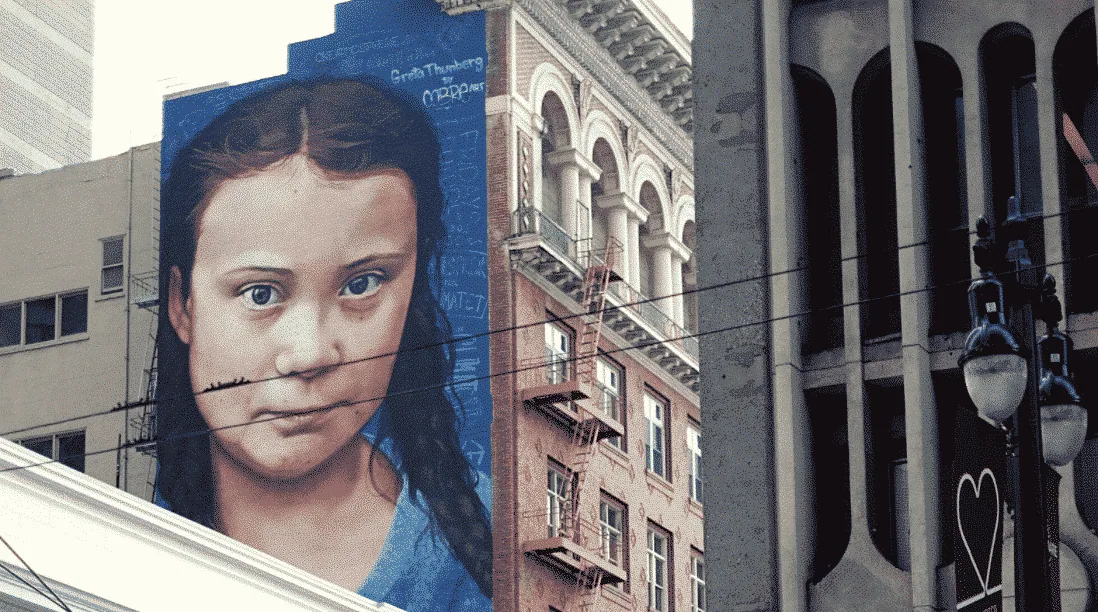
Swedish climate activist whose 2018 solo school strike outside the Riksdag ignited a global youth movement, Time Person of the Year, and repeated Nobel Peace Prize nominations for climate advocacy.

Read full biography ↓

Greta Thunberg is only 18 years old, but already she has become a role model for endurance and perseverance in the fight against climate change. It all started in 2018, when Greta was 15, with a sign painted in black letters that read ‘School strike for Climate.’ Every Friday, she would skip school and protest in front of the Swedish Parliament in order to pressure the government to meet carbon emissions targets. Sometimes people would join her, and sometimes it was only her in front of the wall, figurative and literal.

However, her solo campaign had a global effect, inspiring thousands of people worldwide to raise their voices and organize their own strikes. By the end of that year, over 20,000 students joined her skipping school to protest against climate change. A year later, she was nominated for the Nobel Peace Prize for climate activism.

This was just the beginning of her global activism. In 2019, Greta attended a UN climate conference in New York where she delivered her famous speech, angrily telling world leaders that they were not doing enough. “You say you love your children above all else, and yet you are stealing their future in front of their very eyes,” Thunberg said at the UN Climate Action Summit, urging world leaders to take climate threats seriously.

Thunberg was also declared Time magazine’s person of the year and was nominated two more times for the Nobel Peace Prize (2019-2021). She has met with world leaders, speaking in front of massive crowds, and became the icon of a generation. Greta has Asperger syndrome, one of the autism spectrum disorders, which she sees as a gift. To her, being different can be a superpower. “If I were like everyone else, I would have continued on and not seen this crisis,” she told the Times.

Most importantly, her actions are consistent with her words. She speaks truthfully and unapologetically about the threat of climate change regardless if she speaks with her peers or world leaders. Greta is vegan, she upcycles, doesn’t buy clothes, and she also gave up flying. She called those who were willing to act and chastised those who were not. According to a survey done by Amnesty International, her presence has become a sign of youth’s anger worldwide. Greta Thunberg’s impact is undeniable and inspirational to millions of people all around the world. She has inspired young people to pay attention to climate and environmental issues and started a climate strike movement that shows the power that lies in all of us when we fiercely dedicate ourselves to positive change. This is why Greta Thunberg is one of our laureates for the 2021 World Happiness Awards!

The objective of the 2021 WHA is to recognize individuals and communities realizing a world with freedom, consciousness, and happiness for all. In a time of social media and competing headlines, drawing attention to such an important issue is a vital part of creating powerful momentum in confronting the climate crisis is more than commendable. This is our way of showing our support and admiration. Join us in our celebration of people and communities, making this planet a better place for all!
Arts

2 laureates
The Dudamel Foundation
Community

The Dudamel Foundation

Led by conductor Gustavo Dudamel and Maria Valverde, the Foundation opens classical music to underserved communities through bridging, education, leadership training, and social-justice programs on multiple continents.

Read full biography ↓

As an internationally renowned conductor, Gustavo Dudamel has been driven by a profound belief in music’s power to transform lives, inspire, unite, and change the world. Through his work on stage and his tireless advocacy for education in arts, Dudamel has introduced classical music to new audiences worldwide and has helped provide access to the Arts for numerous people in underserved communities. One of his projects is the Dudamel Foundation .

The Dudamel Foundation is dedicated to believing that the Arts play a vital part in creating a more just and peaceful society. Music, in particular, provides a universal language that transcends differences between people and has a unique capacity to build bridges of understanding among all people. But, music does more than nourishing the human spirit. It’s very practice instills focus and discipline, respect for others, a spirit of collaboration, and many other positive values that promote social justice and make us better world citizens. The goal of the Dudamel Foundation is to expand the opportunity to experience music for as many children and communities as possible.

Led by Gustavo Dudamel and an actress and humanitarian Maria Valverde, the Dudamel Foundation collaborates with institutions across the globe to enrich lives through four program areas: bridging communities, educating young musicians, training global leaders, and social justice through creativity. Their most notable projects are The Neighborhood project, Encuentros, Dudamel Foundation Artists at the Peralada Festival in Spain, and Fidelio. The Neighborhood project was initiated through a five-year Dudamel Foundation grant and launched in 2020. It is a collaboration between the foundation and Trenton Arts at Princeton, bringing Princeton University Concerts artists to Trenton’s public schools and bringing Trenton’s public school students to recitals at Princeton University Concerts. The grants also support the Trenton Youth Orchestra (TYO), whose members receive free coaching and private instruction from Princeton University student musicians and faculty.

Encuentros (English: ‘encounters’) is a project created in 2018 through the Dudamel Foundation to explore cultural unity and celebrate harmony, equality, dignity, beauty, and respect through music. This project has traveled to Europe, where the Dudamel Foundation presented its first Encuentros in Spain in June 2021. Through this project, the foundation inspires and teaches a new generation of young leaders to build a better world. The foundation brings together students from the Americas (Mexico, the US, Chile, Bolivia, Argentina, Colombia, Venezuela, Nicaragua, Peru, and Spain) to work together in the Orquesta del Encuentro con Dudamel.

In 2019, the foundation collaborated with the Mahler Chamber Orchestra to educate 41 Dudamel Foundation Artists through guided mentorship and performance to encourage intercontinental dialogue through music. Students from all over the world, alongside their teachers from the Mahler Chamber Orchestra, represented citizens of 22 countries across five continents. The foundation organized a two-day seminar, underscoring the educational and philanthropic role of the foundation as a catalyst for uniting people through music.

Music has the advantage of being loud, attracting attention, and influencing opinions. It can help in healing, in breaking down barriers and borders, and it can also educate. It is a form of artistic expression that can be an actual igniter of change. As Gustavo Dudamel says: ‘I cannot say that music is the only thing that will save the world, but we have to put art somewhere far more central to the main sense of our society.’

Visit
Craig Foster — My Octopus Teacher
Individual

Craig Foster — My Octopus Teacher

Filmmaker and founder of the Sea Change Project whose Academy Award–winning documentary chronicled a decade-long friendship with a wild octopus and awakened millions to the intimacy of the natural world.

Read full biography ↓

In 2010, a natural-history filmmaker Craig Foster began free-diving in a cold underwater bamboo kelp forest at a remote location near Cape Town, South Africa. He was fascinated with the beauty and diversity of the natural world down there and soon started documenting his experiences. At that time, he met a curious young female octopus from the Common Octopus family that captured his attention. This was the beginning of what turned out to be one of the best nature documentaries, which won over fifteen awards, including BAFTA and Oscar for the Best Documentary Feature.

Burned out by his work and suffering from depression, Craig Foster wanted to find a way to heal and reconnect with his family when he started free-diving near his home. It was during one of the first dives that he spotted the octopus. That’s when he asked himself what would happen if he just went every day?

My Octopus Teacher tells the profoundly moving story of forging an intimate relationship with a wild animal, but it also talks about healing, connection, love, and compassion. Foster managed to form a strong bond with the octopus. He would play with the animal and be allowed to follow her into her world and see where she slept, lived, and ate. He also struggled with his emotions, especially when the octopus was threatened, giving the documentary another level of complexity.

The documentary was shot over a decade and opened the viewer’s eyes to life under the sea and the daily life of this little, mysterious, rarely-studied creature. The Sea Change Project , a nonprofit organization founded by Craig Foster, helped make this film in collaboration with Netflix and Off the Fence, a production company from Amsterdam. The movie splendidly captures the various transformations of the octopus and the beauty of the surprising and yet intimate relationship between two extremely different creatures, one human, one cephalopod. Foster took the time to form the bond, eventually swimming together and the creature hopping into his arms and chest, waiting for pets. Foster suffered when she was hurt; however, her recovery coincided with a period of his own healing. As he says: ‘In a strange way, our lives were mirroring each other.’

Although happy that the movie is so loved worldwide, Foster explains: ‘I just wanted to share the daily joy and wonder and curiosity this ecosystem kindles in me, with all of its wonderful creatures, and the absolute privilege of that one particular octopus who chose to let me into her secret world. I just wanted to honour that and show that deep connection and empathy with nature was an absolute possibility and that it’s also the need of the hour.’

The mentorship-like relationship the octopus provided him has taught Foster a lesson on the fragility of life and humanity’s connection with nature. This helped Foster to create a deeper bond with his son. The inspiring story and the important message behind this movie are something we can’t ignore. That is why we are proud to see this heartwarming documentary and its creator as a World Happiness Award laureate for 2021. Join us in our celebration of people and communities, making this planet a better place for all!
Visit

Cities

2 laureates
Smart Dubai
Community

Smart Dubai

Government initiative — led by Her Excellency Dr. Aisha Bint Butti Bin Bishr — using blockchain, AI, and IoT to digitize public services and pursue the goal of making Dubai the world's happiest city.

Read full biography ↓

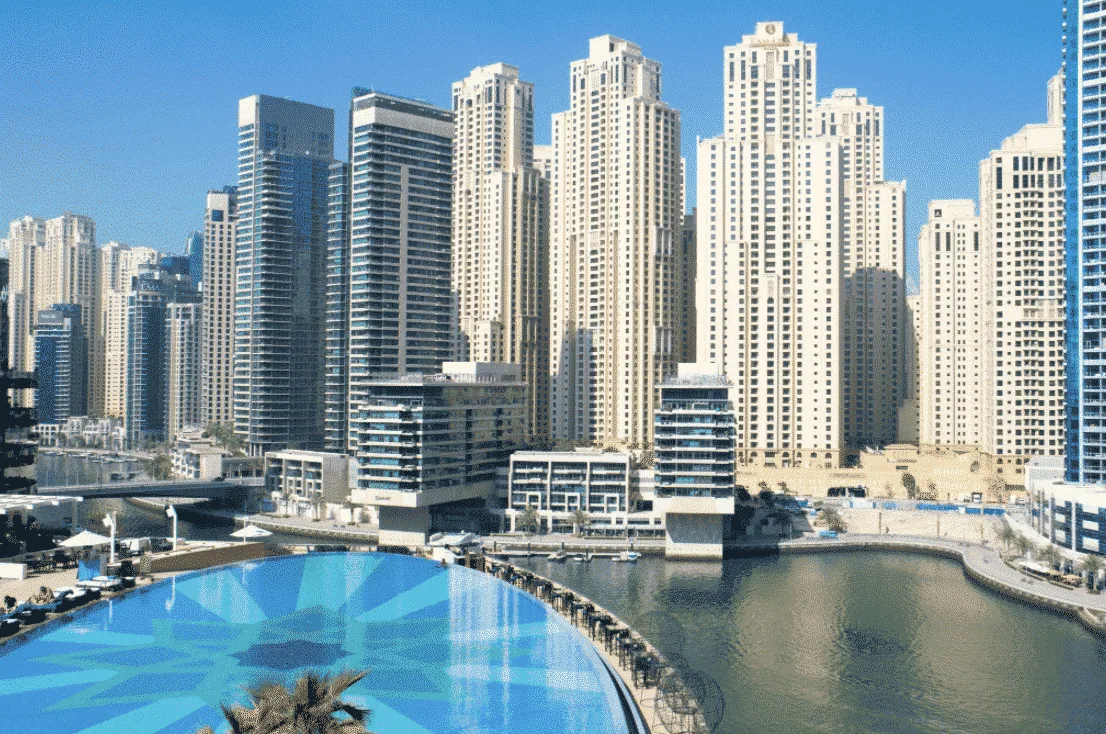
For years, Dubai has made a name for itself as an incredibly technically advanced city. In just a couple of decades, Dubai turned from a small village along the Persian Gulf into a city with the world’s tallest building, the world’s longest autonomous metro system, and the world’s largest artificial island, all fully interconnected to the city’s existing infrastructure. Its progressive initiatives and strategies made Dubai what it is today and what it will be in the future.

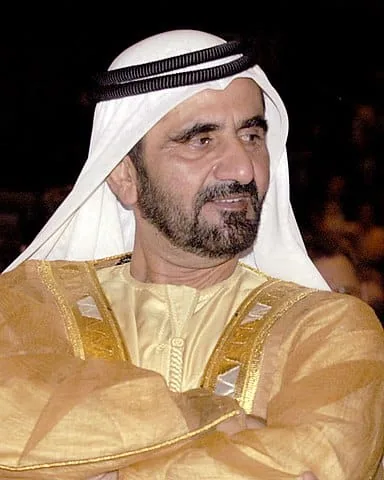
These achievements couldn’t happen without the vision of the true innovators, from His Highness Sheikh Mohammed bin Rashid Al Maktoum to Dubai’s Government departments, who have proven more than once that they were up to the challenge of modern technology. One such initiative is Smart Dubai , which is set out to prepare the city to adopt the latest technologies – Blockchain, Artificial Intelligence, Internet of Things, and Big Data, that was already altering the way cities of the world were being managed and operated, for both public and private sector. The goal of the Smart Dubai initiative is to lead a citywide transformative effort by upgrading its digital infrastructure to maximize the benefits to the city from emerging smart technologies.

However, this initiative is rooted in the vision of its leader, to make Dubai the happiest city on Earth. As H.H. says: ‘Our ambition is to touch the life of every individual – to achieve a happier life for all.’ Smart Dubai ensures the rapid creation of seamless digital experiences so that citizens of Dubai can live an enriched life in their city. To make this happen, Smart Dubai has launched several initiatives: going paperless, Dubai blockchain strategy, startup support, smart cities global network, A.I. principles & ethics, A.I. lab, and happiness agenda.

The organizations’ vision centers on their primary strategy, Going Paperless, that seeks to digitize all government operations by the end of 2021. The goal of the paperless initiative is to cut millions of dollars of government costs, save hundreds of thousands of trees every year, and make urban life seamless for citizens, businesses, and visitors.

The person behind this magnificent project is Her Excellency Doctor Aisha Bint Butti Bin Bishr. She is the director-general of Smart Dubai and the first woman to lead the transformation of a smart city globally. H.E. Dr. Aisha also oversees the creation of The Smart City Index, the first-ever benchmark for smart city implementation worldwide, in cooperation with the International Telecommunication Union and the United Nations. She is recognized globally for her incredible work.

As H.E. Dr. Aisha explains, those cities that use innovative technology to clean air, shorten lines, take care of the environment, and respond more sensitively to people’s needs offer a better quality of life. Such cities also function better and are more attractive to businesses. Both H.H. Sheikh Mohammed and H.E. Dr. Aisha hope to make Dubai the world’s happiest and smartest city. It is an ambitious project, but it is also a serious policy goal. For this reason, we are delighted to see Smart Dubai as one of the World Happiness Awards 2021. Join us in our celebration of people and communities, making this planet a better place for all!
Visit
H.H. Sheikh Mohammed Bin Rashid Al Maktoum & H.E. Ohood Al Roumi
Individual

H.H. Sheikh Mohammed Bin Rashid Al Maktoum & H.E. Ohood Al Roumi

Vice President of the UAE and Ruler of Dubai, together with the world's first Minister of State for Happiness, driving the UAE Strategy for the Future and Dubai 2040 Urban Master Plan.

Read full biography ↓

Few places are moving as fast as Dubai. What was once a small fishing village along the Persian Gulf has become one of the fastest-growing cities globally. Aiming to lead its way to innovation and advances in science, Dubai is set to leap into the future like no other. Of course, all of this is possible with the progressive leadership of His Highness Sheikh Mohammed Bin Rashid Al Maktoum. H. H. Mohammed is a Vice President and Prime Minister of the UAE and the ruler of Dubai.

Recently, H.H. Mohammed has announced the UAE Strategy for the Future, a comprehensive roadmap that will take the nation to the next great era of development. The long-term strategy will steer Dubai’s growth by identifying the needs and challenges of the future, addressing them through impactful plans, and successfully leveraging new opportunities for overall development. The UAE Strategy for the Future will be implemented in short, medium, and long-term phases.

Under the UAE strategy, planning for the future of Dubai will become a mandatory part of the government departments, including reports which will serve as a benchmark for developing governmental policies and plans.

The UAE strategy also involves several innovative initiatives. The plan is for every government department to have a Director of the UAE Strategy for the Future, making UAE the first government in the world to have this kind of position within its departments. As H.H. Sheikh Mohammad says: ‘As a nation, we have always been forward-looking and planning for the future, which has been a key driver of our success. The UAE Strategy for the Future is our new approach to planning for the future by predicting, analysing and implementing highly effective action plans that accelerate development.’

H.H. is a man with a vision of a better future for his people, and he surrounds himself with equally inspiring people. One such person is his Minister of State for Government Development and Future, Her Excellency Ohood Khalfan Al Roumi. Throughout her career, H. E. Ohood has held various other positions, such as the Chairwoman of the Federal Authority for Government Human Resources, Vice-Chair of World Government Summit Organization, and Minister of State for Happiness and Wellbeing, the first ministerial position of its kind in the world introduced by the UAE government.

Her Excellency is also a member of the Global Entrepreneurship Council (GEC) of the UN Foundation, making her the first Arab member in this prestigious council. She oversees numerous strategic projects and initiatives, including UAE Vision 2021, UAE Centennial 2071, the National Agenda, the UAE Government Strategy, and the National Strategy for Innovation. Despite the challenging times we live in, it is always inspiring to see people willing to go above and beyond to make their communities, cities, and countries thrive. With such leadership as H.H. Mohammad and help from his like-minded partners, it’s no wonder that Dubai is dreaming a dream that will come true.

Recently, His Highness has launched the Dubai 2040 Urban Master Plan, with a comprehensive future map for sustainable urban development in the city. What is the goal of this strategy? The goal is to enhance people’s happiness and quality of life. For this, and so much more, we are happy to see H.H. Mohammad and H.E. Ohood as laureates for the World Happiness Awards 2021. Join us in our celebration of people and communities, making this planet a better place for all!
Policy Making

1 laureate
Wellbeing Economy Alliance (WeAll)
Community

Wellbeing Economy Alliance (WeAll)

Global collaboration of organizations, alliances and individuals working to shift economies toward shared wellbeing on a healthy planet, and publishers of the Wellbeing Economy Policy Design Guide.

Read full biography ↓

The new economy, common good economy, green economy, human economy, and solidarity economy are just some of the movements for economic system change. Building on the work and achievements of this ever-growing moment, The Wellbeing Economy Alliance (WeAll) is a new initiative whose goal is to unite, support, and expand this work already being done, in all its variations, to ensure and hasten the systemic shift to a wellbeing economy.

Nowadays, there is a growing recognition that the current world economy serves a few at a cost to communities and damages the environment. While the current economy is a pollutive, extractive, alienating economic model, a wellbeing economy is one in which everyone matters. It is an economy that leaves no one behind and meets the needs of all. The time for such a positive economic model is now, and its leader is WeAll.

The Wellbeing Economy Alliance (WeAll) is the leading global collaboration of organizations, alliances, movements, and individuals working together to transform the economic system into one that delivers social justice on a healthy planet. It is a ten-year project that involves linking and coordinating activity at all levels of the wellbeing economy movement to form a critical mass of people and organizations working toward a common vision.

To support visionary policymakers and build more just and sustainable economies for people and the planet, WeAll has launched the Wellbeing Economy Policy Design Guide . The guide has tools, resources, case studies, and suggestions on how to develop a wellbeing vision, framework, and measurements, how to design a strategy to foster the areas of economic life most important to human wellbeing, and how to assess and co-create Wellbeing Economy policies to build a coherent and innovative policy mix. But this is not all. The policy also shows how to successfully implement Wellbeing Economy policies by empowering local stakeholders and communities and how to evaluate policy impacts on wellbeing for learning, adaptation, and success.

WeAll believes that through mutual experimentation, innovations, and learnings, we can show the world that a wellbeing economy is not only a possible model for human flourishing but is already underway. Although this is just the first version of the guide, WeAll hopes that we all can continue to build this guide together in the months and years to come.

Their passion, hard work, and innovations are what make the WeAll organization so unique. It is also why they are one of the World Happiness Awards 2021 laureates. Join us in our celebration of people and communities, making this planet a better place for all!

Visit

Work

1 laureate
Medix
Community

Medix

Global medical case-management provider serving 6M+ members across 90 countries, recognized for the Mask of Solidarity initiative, gender-balanced leadership, and workplace programs built on passion, resilience, and optimism.

Read full biography ↓

is upon us! Like every year, the objective is to recognize individuals and communities which are realizing a world with freedom, consciousness, and happiness for all. Anyone from anywhere can nominate an individual or community in one of twelve existing categories. This year, we focus on the new World Happiness Award Laureate in the category of Happiness at Work (community) –

Medix is a provider of innovative global comprehensive medical case management services tailored to customers’ needs. Since its establishment in 2006, Medix has been a global and leading provider of innovative, high-quality medical management solutions. With offices in London, Hong Kong, Shanghai, Singapore, Jakarta, Kuala Lumpur, Bangkok, Melbourne, Mumbai, and Tel Aviv, Medix’s client base exceeds 6 million members, spread over 90 countries.

Believing that the accessibility, quality, and sustainability of medical care are some of the most critical components of social rights, Medix is very passionate about these issues and is globally fully dedicated to these activities. They provide to their patients proven better medical outcomes while controlling medical cost inflation. They have changed the initial diagnosis in 20% of the cases and improved treatment in 43% of cases yearly!

Just in the last year, they have gathered corporates and individuals and together donated funds to globally strengthen healthcare workers through their ‘Mask of Solidarity’ initiative. They launched COVID-19 Rehabilitation Services for patients in over 15 different countries. It strengthens their commitment to gender equality and diversity, with 70% of their workforce being women and 55% of senior management roles being held by women. They were awarded the 24th Asia Insurance Industry Award for Best Service Provider of the Year. They’ve also developed two new digital health solutions – ‘The Medix Life,’ their medical risk assessment platform, and ‘The Medix App,’ an end-to-end medical management solution.

They’ve also held virtual health talks and seminars reaching over 100,000 people, driving global health literacy, remotely managed, and supported thousands of cancer patients across the world. They brought their international teams together to enjoy digital monthly inspirational talks by world-leading speakers offering new perspectives on various topics, including Positive Psychology. They’ve launched a new Medix leadership and training program, ‘Medix PRO,’ which stands for Passion, Resilience, and Optimism.

That is why we couldn’t be happier to have them as our laureates for the 2021 World Happiness Awards! All of our laureates will receive recognition by the World Happiness Fest, highlighting and showcasing them in the individual or community category on the World Happiness Awards website and the World Happiness Fest communications channels. Special recognition will be granted to individuals and communities that showcase “broad and/or deep outreach” and “positive impact” within the boundaries of their communities of influence. These relate to cities, companies, countries, hospitals, schools, etc., which, at the same time, showcases the core values of Compassion, Gratitude, Discovery, and Connection embedded in their projects and activities.

Visit

Research

2 laureates
Greater Good Science Center — UC Berkeley
Community

Greater Good Science Center — UC Berkeley

Berkeley-based center studying the psychology, sociology and neuroscience of well-being since 2001, translating research on kindness, compassion, and resilience into practices for schools, workplaces, and families.

Ed Diener
Individual

Ed Diener

Known as 'Dr. Happiness,' the pioneer of subjective well-being research whose Satisfaction with Life Scale has been cited over 8,000 times and who mentored generations of positive-psychology scholars.

Read full biography ↓

This year, the World Happiness Awards is once again ready and eager to recognize and celebrate organizations and individuals that are realizing a world with freedom, consciousness, and happiness for all! Our World Happiness Award Laureate in the Category of Happiness at Research (Individual) is Dr. Ed Diener.

Ed Diener, also known as ‘Dr. Happiness,’ was a leading researcher in positive psychology who coined the famous expression ‘subjective well-being,’ as the aspect of happiness that can be empirically measured. Diener has been one of the leading pioneers in scientific research on happiness for the past twenty-five years. Diener developed numerous research protocols which are currently used by positive psychologists worldwide.

Born in 1946 in Glendale, California, he received his B.A. in Psychology from California State University and his Ph.D. from the University of Washington. For the past thirty years, he taught at the University of Illinois as the Joseph R. Smiley Distinguished Professor of Psychology. Dr. Diener was the president of both the Society of Personality and Social Psychology and the International Society of Quality of Life Studies and the first president of the International Positive Psychology Association.

Dr. Diener’s research was focused on the measurement of well-being, temperament and personality influences on well-being, theories of well-being, income and well-being, and cultural influences on well-being. He has developed several scales that are in widespread use. For instance, his Satisfaction with Life Scale has been cited over 8,000 times in the scientific literature, and his psychological flourishing scale is also being widely used. He has found that, in general, happiness does not just feel good but helps the person function better. Another outstanding work by Dr. Diener was his project to have nations implement national accounts of well-being for policymakers and leaders.

Diener was equally known for his generosity toward students and other scholars. He mentored hundreds and received several teaching awards. Along with his wife and fellow psychologist Carol, he created the Noba project to provide students with online access to free, high-quality textbooks and other educational materials, relieving a significant financial burden for students worldwide.

Dr. Diener has co-edited three books on subjective well-being: Well-Being: The Foundations of Hedonic Psychology, Advances in Quality of Life Theory and Research, and Culture and Subjective Well-Being. He also wrote a popular book on happiness with his son, Robert Biswas-Diener, and authored a book on policy uses of accounts of well-being with Richard Lucas, Ulrich Schimmack, and John Helliwell. Sadly, Dr. Diener passed away on April 27, 2021.

Despite the sad news, we couldn’t be more proud to have Ed Diener as one of our laureates for the 2021 World Happiness Awards! All of our laureates will receive recognition by the World Happiness Fest, highlighting and showcasing them in the individual or community category on the World Happiness Awards website and the World Happiness Fest communications channels. Special recognition will be granted to individuals and communities that showcase “broad and/or deep outreach” and “positive impact” within the boundaries of their communities of influence. These relate to cities, companies, countries, hospitals, schools, etc., which, at the same time, showcases the core values of Compassion, Gratitude, Discovery, and Connection embedded in their projects and activities. Join us in our celebration of people and communities, making this planet a better place for all!

Communications

2 laureates
Thrive Global
Community

Thrive Global

Arianna Huffington's company using science-based tools, media, and the Thrive Journal to end burnout culture and help people move from surviving to thriving at work and at home.

Read full biography ↓

The 2021 World Happiness Awards is just around the corner! Like every year, the objective is to recognize individuals and communities which are realizing a world with freedom, consciousness, and happiness for all. Anyone from anywhere can nominate an individual or community in one of twelve existing categories. This year, we are focusing on the new World Happiness Award Laureate in the category of Happiness at Communications (Community) – Thrive Global, and it’s brilliant founder and CEO Arianna Hufington.

Thrive Global is an organization with a mission to end the stress and burnout epidemic by offering companies and individuals sustainable, science-based solutions to enhance well-being, performance, and purpose and create a healthier relationship with technology. Thrive Global has been born in response to the need to take control of our lives, offering new strategies and tools based on the latest science to address the unintended consequences of these profound and invasive changes.

The Belgian philosopher Pascal Chabot has called burnout “civilization’s disease.” And the casualties are proliferating around the world. Recent science has shown that the pervasive belief that burnout is the price we must pay for success is a delusion. We know, instead, that when we prioritize our well-being, our decision-making, creativity, and productivity improve dramatically. Thrive Global is committed to accelerating the culture shift that allows people to reclaim their lives and move from merely surviving to thriving.

To accelerate this urgently needed culture shift, Thrive Global has three interconnected core elements: corporate training and workshops, their media platform, The Thrive Journal, designed to be the global hub for the conversation about changing the way we work and live, and an e-commerce platform that offers their curated selection of the best technology and well-being products and services.

To scale the cultural shift that’s already happening, the world needs new role models. That’s why Thrive Global brings examples of leaders in business, sports, media, entertainment, and technology who are proving that taking care of ourselves, far from detracting from success, enhances productivity and creativity.

The core to a Thrive culture shift is addressing the relationship of humans with technology, which is one of the most pressing issues of our time. People are addicted, and it’s getting worse. Although technology allows us to do amazing things, it also consumes and controls our attention. In an endeavor to correct this, Thrive Global has partnered with Bennett Miller, the Academy Award-nominated director of Foxcatcher and Capote, to create a Silo app. By selectively blocking distractions, alerts, and notifications on your phone, Silo allows you to reclaim space in your life for focus, creativity, and genuinely connecting with the world, those around you, and yourself.

What distinguishes The Thrive Journal from other media platforms is that they go beyond informing and entertaining to action. Their goal is to help people bring about changes in their lives by giving them concrete, actionable tips laid out in five pathways: Calm, Joy, Purpose, Well-Being, and Productivity.

For these and many other reasons, we are happy to have Thrive Global as one of the laureates of the 2021 World Happiness Awards! All of our laureates will receive recognition by the World Happiness Fest, highlighting and showcasing them in the individual or community category on the World Happiness Awards website and the World Happiness Fest communications channels. Special recognition will be granted to individuals and communities that showcase “broad and/or deep outreach” and “positive impact” within the boundaries of their communities of influence. These relate to cities, companies, countries, hospitals, schools, etc., which, at the same time, showcases the core values of Compassion, Gratitude, Discovery, and Connection embedded in their projects and activities. Join us in our celebration of people and communities, making this planet a better place for all!
Teresa Viejo
Individual

Teresa Viejo

Spanish journalist, novelist, and UNICEF Goodwill Ambassador whose 'C Training' method helps individuals and organizations cultivate curiosity to navigate uncertainty and unlock creativity.

Read full biography ↓

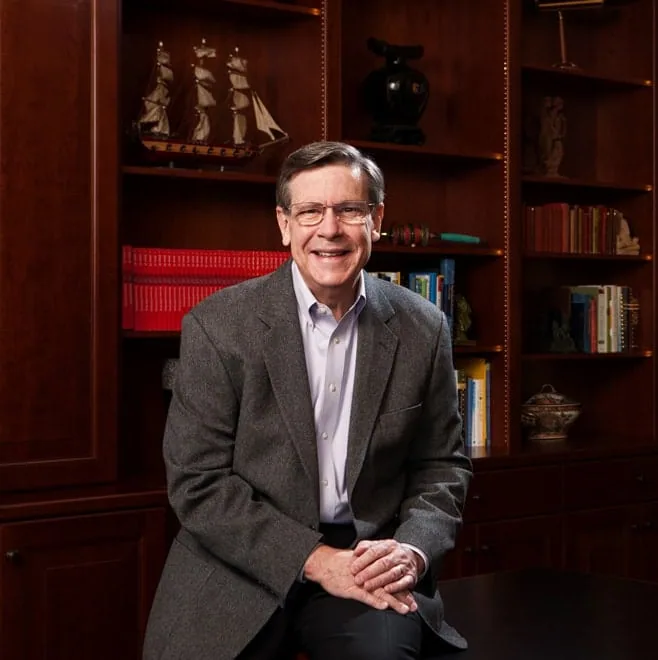
The 2021 World Happiness Awards is just around the corner! Like every year, the objective is to recognize individuals and communities which are realizing a world with freedom, consciousness, and happiness for all. Anyone from anywhere can nominate an individual or community in one of twelve existing categories. This year, we focus on the new World Happiness Award Laureate in the category of Happiness at Communications (Individual) – Teresa Viejo, for her work and impact on Curiosity as a subject.

Teresa Viejo is a well-known Spanish journalist, TV and radio host, and a vocational writer, who distributes her time between radio, television, closeness to readers, and workshops and talks. Her social commitment has led her to become a Goodwill Ambassador for UNICEF and A Victims of Traffic Foundation.

She has written four very successful historical novels, translated into Italian and French, while one was adapted into a TV mini-series. Curiosity is her primary field of work. Curiosity is what opens us to the world and others. It encourages us to explore new opportunities, stirs our creativity, and pushes us toward continuous learning. Curiosity is what makes us flexible in the face of what escapes our mental maps and stops the fear of uncertainty.

As Teresa explains, there are no people who aren’t curious. There are only those who either developed it or those who have it asleep. That is why she devised a method to promote and exercise it called ‘The C Training.’ Both in her talks and workshops, individuals and organizations can learn how to develop a curiosity to manage uncertainty in the face of any change, how to stop fears from engulfing you, how to attract the attention of others, and what are the powerful questions that can move a person to action.

The C Training is aimed at organizations, entrepreneurs, freelancers, or anyone who wants to “activate” curiosity and open their minds to achieve better results in their professional development. Companies can benefit from this program in numerous ways:

They can have more motivated and positive employees and collaborators; Learn a more effective and creative conflict resolution; Reduce communication silos; Encourage continuous learning that starts with the employee himself/herself; Implement innovation and creativity at work; Identify talent and reinforce the sense of belonging to the organization; Reduce the resistance to change of employees, enhancing their flexibility; Reduce cognitive biases.

That is why we couldn’t be happier to have Teresa Viejo as one of the laureates of the 2021 World Happiness Awards! All of our laureates will receive recognition by the World Happiness Fest, highlighting and showcasing them in the individual or community category on the World Happiness Awards website and the World Happiness Fest communications channels. Special recognition will be granted to individuals and communities that showcase “broad and/or deep outreach” and “positive impact” within the boundaries of their communities of influence. These relate to cities, companies, countries, hospitals, schools, etc., which, at the same time, showcases the core values of Compassion, Gratitude, Discovery, and Connection embedded in their projects and activities. Join us in our celebration of people and communities, making this planet a better place for all!
Education

2 laureates
Wake Up Schools
Community

Wake Up Schools

Founded by Thich Nhat Hanh's Plum Village community, Wake Up Schools brings non-religious mindfulness and applied ethics into classrooms so teachers and students can flourish together.

Read full biography ↓

Attention and awareness are necessary traits, especially for teachers. One of the best ways to enhance attention, focus, or awareness is to cultivate or develop mindfulness in the classroom. Mindfulness helps develop awareness by reducing stress, disciplining the mind, and supporting emotion management.

When our minds are stressed, it isn’t easy to focus. Both teachers and students tend to experience daily stressors, making too many of them unprepared for today’s classroom’s social and emotional demands. Stressful situations and conditions can lead to feeling discouraged, burnt out, and ready to quit. Luckily, developing and cultivating mindfulness (the ability to stay focused on one’s present experience with non-judgemental awareness) can help teachers to promote a relaxed, calm, but enliven classroom environment that children need to learn. This is precisely the mission of the Wake Up Schools initiative.

Wake Up Schools was created by Thich Nhat Hanh and his French Plum Village community. Since Thich was exiled from his native Vietnam for speaking out against the war, he has been a pioneer of adapting and teaching mindfulness to western audiences. As he himself says: “I think it is the good teachers who will be able to change the world. That’s my belief, because a teacher can nourish, can heal, can build healthy, happy human beings.”

Wake Up Schools teaches educators how to bring practices of mindfulness and applied ethics into their lives so they may feel happy and free, and so they may, in turn, share these practices with colleagues and students in their school communities. Mindfulness practices allow teachers and students to experience more peace, learn how to take care of difficult emotions, and create conditions for a happy school and a happy world. This is especially important for young people because teaching them mindfulness allows them to develop emotional stability and create a basis for them to lead happy, authentic, engaged, and ethical lives.

Wake Up Schools focuses on teachers and offers a flexible approach without rigid curriculums. Though mindfulness has its roots in Buddha’s teachings, the Wake Up Schools approach is holistic and non-religious, allowing everyone to practice it. The movement is based on three principles: embodiment, service, and community. The embodiment principle teaches the art of being present. Without a peaceful, happy presence, teachers can’t be truly there for their students and educational community. The service principle is based on gratitude, understanding, and love. It is used to develop a feeling of deep service to others. With community principle, Wake Up Schools aim to deepen friendship and connection so everyone can support each other and walk together in harmony and joy.

This is why the Wake Up Schools initiative is one of our World Happiness Awards Laureates . The World Happiness Awards celebrate and elevate people and communities that are working hard to make this planet a better place for us all.

In collaboration with the United Nations University for Peace and 300+ international thought leaders, corporate, government, research, and educational institutions, The World Happiness Awards situate happiness and well-being as essential components of global innovation.

Visit
Irene Greaves
Individual

Irene Greaves

Creator of the Lovescaping® program built on 15 pillars of love — from empathy to hope — taught in schools, nonprofits, and workshops as a curriculum for a more just and loving world.

Read full biography ↓

We don’t have to read about Maslow’s Hierarchy of Needs to understand that love is a basic human need. Once our physiological needs such as breathing, food, water, etc., and the feeling of safety and security are satisfied, we need to feel love and belonging to grow. But, if we look at modern society, it seems that humans are doing a poor job on this notion. Lack of understanding, respect, and acceptance, along with the rise of Artificial Intelligence, has caused people to isolate themselves, igniting loneliness, confusion, and antisocial behavior. Sadly, those who lack love often end up feeling flawed, alone, and worthless.

Irene Greaves believes that people should not wander aimlessly through life alone. Humans are social creatures, and love is the glue that binds us all together. Above all, love is an action that people can learn to practice.

Through her work ® Lovescaping hers, Irene is addressing this most urgent, timely and important need in the world: learning to love. Her lovescaping® philosophy is based on 15 pillars without which love cannot exist: empathy, humility, caring, respect, honesty, communication, trust, vulnerability, patience, liberation, compassion, solidarity, gratitude, forgiveness and hope. These pillars are derived from her experience teaching and working in community development in different parts of the world. They are universal values ​​and actions that people can learn to practice.

There are multiple means through which Irene is delivering her Lovescaping® program. One of them is partnering with schools and non-profit organizations to implement her curriculum during the school day and in the after-school setting to children and youth of all ages. Another means is through workshops, presentations and coaching for adults, all of them adapted to the needs or context of the particular group.

As she explains, the impact of teaching people – from toddlers to adults – how loving can and will change the world. When we build a society based on learning to love and when people willingly practice love in action, we will witness a dramatic decrease in crime, violence, racism, xenophobia and all other forms of hatred and oppression. Once the seeds of love are planted, they will only flourish and continue to grow.

Irene’s Lovescaping® program focuses on creating a more just, loving, free, conscious and happy world. Her ultimate goal is to address the greatest need that she sees in our world, and that is lack of love. That is why she is one of our World Happiness Awards laureates. The World Happiness Awards celebrate and uplift people like Irene, as well as communities who are working hard to make this planet a better place for us all.

In collaboration with the United Nations University for Peace and more than 300 international thought leaders, corporate, government, research and educational institutions, the World Happiness Awards rank happiness and well-being as essential components of global innovation.

Health

3 laureates
Youth Era
Community

Youth Era

Community organization providing peer-led drop-in centers, virtual support, crisis response, and training so that every young person has the opportunity to lead a happy, successful life.

Read full biography ↓

Whether we realize it or not, we all benefit when a young person graduates from high school and finds a job that helps them pay rent, live a quality life, or gain access to effective services and support.

Every society should grapple with what outcomes it hopes to produce in raising its young generations. What exactly do we hope our children will be capable of accomplishing as adults? How should we harness what is known in research, practice, and policy areas to ensure that our youth will have what they need to meet young adulthood challenges successfully?

Preparing our youth for meaningful, productive futures requires well-organized, well-coordinated efforts and intentional practices by adults across all the settings youth inhabit daily. To address these questions, the Youth Era works hard for a future where every young person has the opportunity to lead a happy, successful life and where whole communities flourish as a result. They believe that change happens when we support young people as they work to complete high school, find jobs when we advocate for system change, and so much more.

Youth Era creates solutions for communities across the country that look beyond short-term assistance for the few and toward sustainable support for the many. With their services, young people have a much better chance of becoming happy, successful, and contributing adult community members, allowing everyone to reap the rewards.

Youth Era creates lasting positive change in the lives of young people and the systems that serve them. By uniting a diverse collective of young adults and organizations around innovative solutions, Youth Era impacts thousands each year. They collectively work to provide accessible support services to all young people. Their focus is on direct service, training, and advocacy, which are the building blocks for creating lasting change for young people in communities across the country.

This is why the Youth Era initiative is one of our World Happiness Awards Laureates . The World Happiness Awards celebrate and elevate people and communities that are working hard to make this planet a better place for us all.

In collaboration with the United Nations University for Peace along with 300+ international thought leaders, corporate, government, research, and educational institutions, The World Happiness Awards situate happiness and well-being as essential components of global innovation.

Visit
Pilar Sordo
Individual

Pilar Sordo

Chilean psychologist and best-selling author whose talks and books on emotional self-care, relationships, and resilience have made her one of the most influential Spanish-speaking voices in personal development.

Read full biography ↓

In everyday life, it is vital that we take care of ourselves first and foremost. A great way to do this is to practice self-care. Self-care means taking care and prioritizing our physical, mental, and emotional health. But self-care doesn’t stop there. In relationships, it is also important that we take care of ourselves. Self-care while in a loving relationship is all about reaching that delicate balance of caring for ourselves while caring for our partner so that we can have the best relationship possible. However, self-care is important no matter our relationship status.

Emotional self-care means caring for our emotional needs by identifying and nurturing our feelings, conscious inner state, and intellect. Why? Because our emotions are the most present, vital, and often painful force in our lives. Emotions trigger feelings and thoughts that can play a powerful role in our behavior and how we experience and interact with the world around us. Unfortunately, people often have an adversarial relationship with themselves and their emotions, forcing them to seek guidance and ways to handle their emotions.

Pilar Sordo has devoted her life and career to finding the answers and solutions to these fundamental human issues. Pilar is a Chilean psychologist, lecturer, writer, and columnist. She has turned her research into precious books about interpersonal relationships.

Her writings cover such topics as sex, family, and relationships. She is known as a commentator on typical behavior in different Latin American countries. Pilar uses her own experiences to conduct her research and expresses it in a simple language so that everyone can understand and learn from it. She has participated in countless talks, seminars, and courses in regularly packed rooms.

In 2019, she participated in the Mandela Conversation, a discussion forum on human rights and freedom with people deprived of liberty. As an author of several Best Sellers in Latin America and the Caribbean, Pilar has been awarded numerous awards and recognitions throughout her career. Some of her awards are Woman of the Year, Alberto Hurtado Award, Atrevidas Award, Golden Book Award, and an Outstanding Woman 2010-2011, for the permanent support to Chilean women. She directs the CáncerVida Foundation for lung and pancreatic cancer patients and is an Ambassador of Women with Pants since 2011.

Pilar has become one of the most influential Spanish-speaking people in good living, personal development, and resilience. This is why Pilar Sordo is one of our World Happiness Awards Laureates . The World Happiness Awards celebrate and elevate people like Pilar, as well as communities, that are working hard to make this planet a better place for us all.

In collaboration with the United Nations University for Peace and 300+ international thought leaders, corporate, government, research, and educational institutions, The World Happiness Awards situate happiness and well-being as essential components of global innovation.

Archna Sharma
Individual

Archna Sharma

Founder of Roccia Bliss and 'Thought Technologist®' teaching the Art of Positive Thinking across schools, prisons, hospitals, and the Indian Army in a mission to lift the mental well-being of one million people.

Read full biography ↓

Our beliefs become our thoughts. Our thoughts become our actions. Our actions control our success and happiness. After all, our lives are determined not by what happens to us but by how we react to it. When we understand this, we can understand how our mindset is everything.

Therefore, a positive mindset will help us make positive decisions in our lives. If we refuse to make decisions based on fear, insecurity, or scarcity, we will begin to do so based on optimism, love, and abundance. Instead of assuming the worst of ourselves, we may learn to act with confidence. Also, instead of assuming the worst of others, we may learn to trust and open up to them. These are just a couple of examples of how mindset coaching can fundamentally change our perspective and our actions.

This fresh mindset will lead to new actions that bring more happiness and fulfillment in various areas of our lives. As a happiness and mindset coach, Archna Sharma is on a mission to eradicate mental poverty and to improve the mental health and well-being of one million people by making them learn the Art of Positive Thinking through her talks, teachings, coaching, and social activities.

Archna Sharma is an award-winning Indian Social Activist and the founder of Roccia Bliss – Your Happiness Partner® . She is widely known as Thought Technologist® for her work in art and science of thoughts, who is on a path to cultivate right thinking skills in people that enable them to develop an elevated mindset and a healthy belief system.

Archna believes that children are taught how to study, speak, play, dress up, and more, but they are not taught how to think. This has prompted her to leave her job and start a social firm that develops and promotes the ‘Art of Thinking’ to rectify mental health issues like depression, addiction, suicide, violence, etc., and in turn to increase per capita happiness.

She promotes happiness and positive thinking all around the world in more than twelve diversified sectors, such as the Indian Army, Border Security Force, prisons, hospitals, government departments, schools, colleges, PSUs, judiciary, police training centers, clubs, public, youth, legislative assembly, corporate, aviation, etc. impacting thousands of lives worldwide. Archna believes that people with passion can change the world, so she took the road less traveled to make the world a better place to live.

This is why Archna Sharma is one of our World Happiness Awards Laureates . The World Happiness Awards celebrate and elevate people like Archna, as well as communities that are working hard to make this planet a better place for us all.

In collaboration with the United Nations University for Peace along with 300+ international thought leaders, corporate, government, research, and educational institutions, The World Happiness Awards situate happiness and well-being as essential components of global innovation.

Visit

Technology

2 laureates
The Mind Clan
Community

The Mind Clan

Volunteer-run Indian platform curating mental-health counselors, support groups, helplines, and stories so people can find free, stigma-aware care when they don't know where to start.

Read full biography ↓

Mental health is crucial to living a healthy, balanced life. It encompasses our psychological, emotional, and social well-being. This means it impacts how we think, feel, and behave every day. Our mental health also helps our decision-making process and affects how we cope with stress and how we relate to others in our lives.

Being emotionally and mentally healthy can promote productivity and effectiveness in school, work, or caregiving. Emotional and mental health also plays an important role in our relationships’ health and allows us to adapt to changes in our lives and cope with adversity.

Unfortunately, the discussion of mental health is still considered taboo of sorts in today’s society. People avoid talking about it out of fear they will be labeled or called ‘crazy.’ But what most fail to realize is how that silence actually holds us back from fixing such a critical problem.

However, talking about and taking care of our mental health has numerous benefits, having better physical health, developing a stronger work ethic and stability, and forming healthy relationships, leading to an overall better quality of life.

This is what Shweta Srinivasan and Mani Kumar wanted to address when they decided to create TheMindClan , a mental health community platform dedicated to giving people access to the resources they need to care for their mental health. They believe that the intimidation, judgment, and stigma surrounding mental health can be chipped away when people can make choices for their mental health care by themselves, based on their current needs. The platform is completely volunteer-driven and is offered to users for free.

TheMindClan platform offers its users access to a curated range of support services that they can reach out to when they feel stuck at ‘Where do I start?’ Their community of specially curated mental health counselors cares deeply about mental health and people who need help in taking care of theirs. They also provide a list of group therapy gatherings and support groups that offer a space for sharing experiences, making connections, and providing support.

The platform also offers active mental health helplines that are privately operated by trained professionals, information on events and workshops in a specific city, and a myriad of stories, posts, poems, resources, and articles useful to people while they are going through their mental health journey.

This is why The Mind Clan organization is one of our World Happiness Awards Laureates . The World Happiness Awards celebrate and elevate people and communities that are working hard to make this planet a better place for us all.

Visit
Dr. David Rabin & Kathryn Fantauzzi — Apollo Neuro
Individual

Dr. David Rabin & Kathryn Fantauzzi — Apollo Neuro

Psychiatrist–neuroscientist and CEO couple whose Apollo Neuro wearable uses touch-based vibration to reduce stress, improve sleep, and retrain the nervous system to recover on its own.

Read full biography ↓

Stress is a normal part of our lives, and in small doses, it can even be good for us. Overcoming daily stressful events can make us more resilient. But what happens when that stress turns into a chronic or even acute type? Then it needs to be dealt with immediately.

Chronic stress can have a huge impact on our health, especially on our brains, leaving us vulnerable to many physical and psychological problems. Chronic stress is a major trigger for persistent inflammation in the body. This persistent inflammation can lead to a range of health problems, including heart disease and diabetes. Stress sends a signal to our bodies that we’re under threat. It kicks off our fight-or-flight response and makes it difficult for us to focus, relax and maintain the sleep we need to recharge and recover.

During his research, Dr. David Rabin, MD, Ph.D. has found out that deep breathing, biofeedback, and meditation are effective techniques to help manage stress. But unfortunately, these techniques are difficult to do when we’re already stressed out. This prompted Dr. Rabin and his wife, Kathryn Fantauzzi, to create Apollo Neuro, the Wearable Wellness Device for Stress Relief . Dr. Rabin is a board-certified psychiatrist and neuroscientist who specializes in  treating chronic stress, while Kathryn, Apollo’s CEO, specializes in bringing discoveries out of the lab and into the real world.

Dr. Rabin began his research on what would become Apollo Neuro in 2014 at the University of Pittsburgh. He noticed a common theme in his clinical work: all of his patients’ symptoms worsened when they experienced stress. However, he also noticed that touch has an incredible ability to signal safety to the body and reduce stress. Dr. Rabin discovered that certain vibration waves could rapidly restore balance to our bodies and minds while actively improving heart rate variability, a critical measure of the effects of mental and physical stress on the body.

Once they’ve determined that their Apollo Neuro device measurably reduces stress, improves focus, and helps people sleep, they’ve brought it out of the lab and into the lives of anyone looking for a non-habit forming and safe way to take control of their health. When used consistently, Apollo retrains a nervous system to manage stress more effectively on its own. Over time a person will sleep better, improve their focus, and feel more balanced.

This is why Dr. Rabin and Kathryn Fantauzzi are one of our World Happiness Awards Laureates . The World Happiness Awards celebrate and elevate people like them, as well as communities that are working hard to make this planet a better place for us all.

In collaboration with the United Nations University for Peace along with 300+ international thought leaders, corporate, government, research, and educational institutions, The World Happiness Awards situate happiness and well-being as essential components of global innovation.

Visit

COVID-19

1 laureate
Christina Williams
Individual

Christina Williams

Jamaican advocate who launched COVINNECTED and the A.H.E.A.D program to protect equitable access to learning during the pandemic — endorsed by the UNDP Multi-Country Office in Jamaica.

Read full biography ↓

The COVID-19 pandemic forced closure on schools and university campuses worldwide in March 2020, forcing millions of students to finish their semesters via remote studying. However, according to the new UNICEF-International Telecommunication Union report, two-thirds of the world’s school-age children (children aged 3 to 17 years old) have no internet access at home. The numbers are almost the same for young adult people aged 15 to 24 years old, with 63% unconnected at home.

Understandably, for those without internet access, education is practically out of reach. This digital divide is, unfortunately, perpetuating inequalities that already divide many countries and communities. Aware of this situation, Jamaica-born Christina Williams decided to take matters into her own hands.

Christina is an advocate for sexual and reproductive health rights. When the COVID-19 pandemic struck, she took the lead and founded several programs such as COVINNECTED and A.H.E.A.D to assist the students and schools with insufficient funding.

She listened to young people saying they need to have a youth response to the UNDP UNHCR Global Report and its grave numbers of billions of students affected by school closures due to COVID-19. She was positive that thousands of Jamaican students were also a part of that statistic. Having served as a student leader, she knew firsthand how, in many regards, students were negatively affected.

COVINNECTED aims to ensure that no student is left behind during the COVID-19 pandemic by providing a guidance framework that can be used to inform online learning onboarding plans. The idea behind COVINNECTED is a standardization model by students for students to ensure equitable digital access throughout the education system. Thus far, the project has been endorsed by the UNDP Multi-Country Office headquartered in Jamaica, and tenets of the model have been included in the top five main universities within Jamaica with a preliminary nod of acceptance from the Ministry of Education.

The A.H.E.A.D (Active, Health, Education, Awareness, Development) program is designed to support remote and underfunded schools with building solutions, nutritional aid as well as meaningful additives to their curriculum to foster additional learning experiences and opportunities for students. The program aims to target unemployed and or unskilled parents/guardians of the students within these schools and sustainably empower them through skills training and job opportunities facilitated by our corporate partners. The main priority at this time, however, is to provide schools with resources that can support their efforts in managing the risk of COVID 19.

This is why Christina Williams is one of our World Happiness Awards Laureates . The World Happiness Awards celebrate and elevate people like Christina, as well as communities that are working hard to make this planet a better place for us all.

In collaboration with the United Nations University for Peace along with 300+ international thought leaders, corporate, government, research, and educational institutions, The World Happiness Awards situate happiness and well-being as essential components of global innovation.

Visit

Edition · 2023–2025

Laureates 2023 – 2025

21 laureates across 12 categories — each honored for measurable impact, integrity, and generativity.

Social Impact

2 laureates
The Wellbeing Project
Community

The Wellbeing Project

Co-created by Ashoka, Georgetown, Impact Hub, Porticus, Skoll and Synergos, the project supports the inner well-being of social changemakers through inner-development, research, learning partners, and storytelling.

Read full biography ↓

Those working in social change tackle the world’s most urgent issues like climate change and inequality. But increasingly, these changemakers are facing chronic stress, depression, and burnout. The creation of the Wellbeing Project was inspired and prompted by a sense of caring, understanding, and compassion for these people who work hard to build a better world and support numerous causes and movements for which they work.

The Wellbeing Project is focused on both creating support for social change leaders and cultivating a shift in the culture of the field toward one that is healthier and supportive of inner well-being. It is a co-creation of six globally oriented social change institutions: Ashoka, Georgetown University, Impact Hub, Porticus, The Skoll Foundation, and Synergos. The project sits between, and is governed by, and in great measure implemented by its co-creators.

These institutions intend for the Wellbeing Project to ignite further action and continue the work of deeply and meaningfully supporting the well-being of experienced social entrepreneurs while shifting the field of social change and enhancing the lives of the millions of people touched by the efforts of these important changemakers. These institutions are committed to an open-access approach to everything learned and developed through the Wellbeing Project, as it fundamentally supports their intention to catalyze a meaningful shift in the field of social change.

Ecosystem Network – A network of 70 global, regional, and local organizations working in the social change field with interest in learning and sharing the topic of well-being to bring this back to their organizations and communities;

Learning Partner Group – A group that engages leaders of key global institutions in the world of social change to learn and help develop well-being-related work within their networks as well as explore what support can be provided to broaden the well-being of people in the field of social change;

Wise Network – The Wellbeing, Innovation, and Social Change in Education (WISE) Network inspires and facilitates a culture of inner well-being in the social change field by educating graduate and undergraduate students.

We are inspired and amazed by the work this organization does. That’s why we are proud to see them as this year’s World Happiness Award laureates. Join us in our celebration of people and communities, making this planet a better place for all!

Visit
Dr. Vandana Shiva
Individual

Dr. Vandana Shiva

Physicist, ecologist and food-sovereignty activist whose Research Foundation for Science, Technology and Ecology and Navdanya defend biodiversity, seed heritage, and non-violent farming across India and beyond.

Read full biography ↓

Dr. Vandana Shiva was born in Uttaranchal, in the Indian Himalayan region, to a father who was a forestry official and a mother who was a farmer. As she says, she was born and bred between the forest and the farm, where her family worked with and for biodiversity.

As she grew up, she noticed that the continuity between the forest and the farm she knew so well was declining because of entities actively working on destroying this precious environment. Before moving to Canada to pursue her Ph.D. in quantum physics, Dr. Shiva went on a trek through her childhood Himalayan forests, where she noticed that there were no forests to be found and the stream there was now just a trickle. This was a harsh wake-up call for Dr. Shiva and an event that will set her on a life-long path of activism and food sovereignty advocacy, where her passion for nature and her interest in science could combine for the higher good.

Soon she joined the Chipko movement, a world-renowned forest conservation movement from her Uttarakhand region. This is what further moved her ecological and environmental activism. In the next five decades, she has published dozens of books that showcase this evolution, among which are ‘ Biopiracy: The Plunder of Nature and Knowledge ,’ where she talks about the appropriation of the biological wealth of poorer countries by global corporations, and ‘ Water Wars: Privatization, Pollution, and Profit ,’ where she criticizes corporations for wanting to privatize water resources.

Dr. Shiva is perhaps best known as a critic of Asia’s Green Revolution, an organization whose operations led to pollution, a loss of indigenous seed diversity, and the dependence of local farmers on costly chemicals. In response to this, Dr. Shiva founded the Research Foundation for Science, Technology, and Ecology (RFSTE) and established seed banks throughout the country to preserve its agricultural heritage. She also launched Navdanya , a project that strives to combat the monoculture promoted by large corporations.

With her work, Dr. Shiva is trying to promote non-violent farming practices that contrast monoculture and war violence. She points out that the chemicals and pesticides used in fertilizer for large-scale agriculture are often used in warfare, so it is not surprising that their use leads to biodiversity loss and habitat destruction. “I want to show that there’s one health,” Dr. Shiva says. “The health of the planet and our health are the same. The health of the plants and our gut is the same health. One indivisible health. That is ecological health, the health of justice. That health is of diversity working together.”

Dr. Vandana Shiva is a distinguished physicist, ecologist, writer, and activist, but most of all, she is a tireless defender of the environment. We are incredibly proud that she is one of the World Happiness Awards laureates. Join us in our celebration of people and communities, making this planet a better place for all!
Visit

Arts

3 laureates
Burning Man
Community

Burning Man

Radical week-long gathering in Black Rock City whose ten principles — from radical inclusion to civic responsibility — are exported year-round via Burners Without Borders civic and disaster-relief work.

Read full biography ↓

Those who have heard of Burning Man but never experienced it personally would probably describe this event as a days-long wild rave deep in the Nevada desert. Although Burning Man is fun, with lots of music, interesting people, and amazing art installations that look like something out of the Mad Max universe, that’s not all that this event is.

Burning Man is a week-long, self-organized gathering of thousands of creative people that convene in Black Rock City, a town that exists for only seven days each year, during this radical gathering experience. The temporary metropolis is notable for its massive and daring artworks, incredible performances, and radical self-expression. But most importantly, it is known for its influence on numerous real-world activities during the rest of the year through its Burners Without Borders NGO, which initiates civic work projects and disaster relief in communities worldwide.

Burning Man is an event of considerable size that required its creators to develop a specific cultural ethic to successfully manage this self-governing community of individualists. So, in 2004, Burning Man founder Larry Harvey came up with his ‘ The 10 Principles of Burning Man ‘ to serve as guidelines for the community. But these principles can be applied beyond Burning Man’s borders and be used as a catalyst for innovation and culture change around the world. The principles, when applied to our communities, can look like this:

A society that is more giving, more inclusive, worried less about personal success and gain, and more about the gain of society as a whole is both self-reliant and more collaborative, devoted to leaving the world in a better state than we found it. A society where everyone is working towards this cannot be anything but a flourishing and fulfilling one. Organizations, companies, and governments who follow this idea are more likely to be the creators of a better world for us all. Because of this, we are proud to see this ground-breaking movement as one of our laureates for the 2022 World Happiness Awards. Join us in our celebration of people and communities, making this planet a better place for all!
Visit
Louie Schwartzberg
Individual

Louie Schwartzberg

Cinematographer and director behind Wings of Life, Mysteries of the Unseen World, Fantastic Fungi, and Gratitude Revealed — using time-lapse cinema to make invisible beauty visible.

Read full biography ↓

For over 40 years, Louie Schwartzberg, the famous cinematographer, director, and producer, has been making art that celebrates life and the human spirit. A pioneer of high-end time-lapse cinematography, Louis has been pouring passion, knowledge, and love into his work to provide breathtaking imagery that reveals the mysteries and wisdom of nature, people, and places.

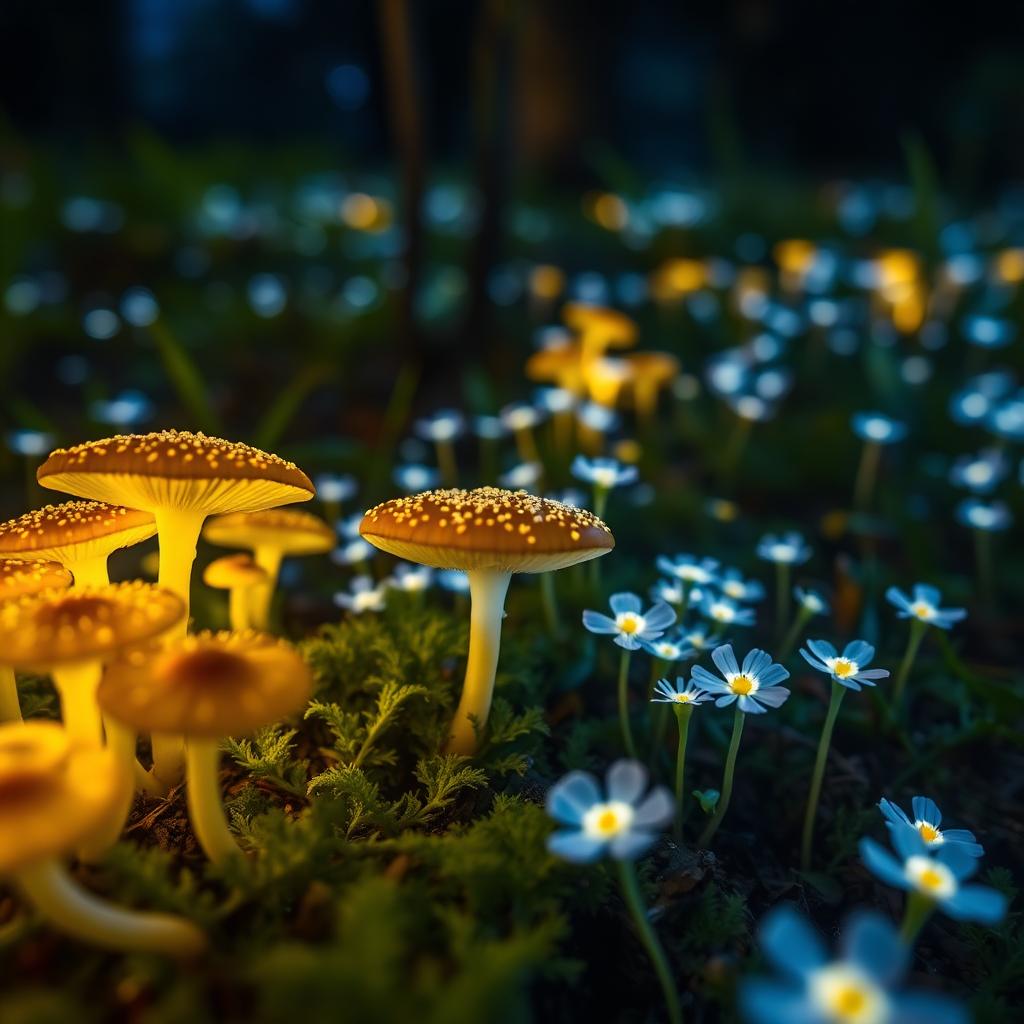
Born to Holocaust survivors, Schwartzberg has been taught from an early age the importance of living a life of gratitude. His parents instilled in him an appreciation of the little things in life, so it was no wonder he started taking pictures of flowers and mushrooms as soon as he got his first camera. After graduating from UCLA, Schwartzberg began to shoot flowers non-stop, and to this day, his time-lapse cameras are still rolling. This was the beginning of his life’s work with which he took the world on a journey of time and scale by making invisible – visible.

Throughout his career, Louie brought such tiny creatures as hummingbirds, bumblebees, and butterflies to the big screen, showing us how these nature’s wonders exist and persevere in this big world. His name is behind impressive projects like ‘ Wings of Life ‘ and the ‘ Mysteries of the Unseen World .’ The first is a documentary that focuses on pollination and the web of life, narrated by Meryl Streep, while the latter is a 3D IMAX film with National Geographic, which shows us ‘the invisible worlds that are too slow, too fast, too small and too vast for the human eye to see,’ narrated by Forest Whitaker. Schwartzberg is also the creative brain behind ‘ Fantastic Fungi ’ and the ‘ Moving Art ‘ videos, designed to educate, inspire, and evolve the human perspective on the world.

During the challenging times of the global pandemic, Schwartzberg was deeply moved by how society was spiraling into loneliness and social isolation. The small things we all took for granted, like hugging a family member or meeting a friend, became impossible to us, furthering our disconnection. Wanting to address the global suffering from stress, anxiety, and isolation due to the pandemic, Schwartzberg decided to make ‘ Gratitude Revealed ’, a series of short movies that explore the multifaceted virtues of gratitude. With these short films, Schwartzberg highlights the beauty in humanity and the resilience of the human spirit, and most importantly, its desire to (re)connect with others. As Schwartzberg explains, the film allows us to open our hearts, see each other with compassion and understanding, and build bridges with those who think differently. It also allows us to understand gratitude’s vital role in our lives.

For Louie Schwartzberg, the greatest satisfaction is creating works that can positively affect the planet’s future. For this and other reasons, we are proud to see this talented man and his important work as a World Happiness Award laureate for 2022. Join us in our celebration of people and communities, making this planet a better place for all!
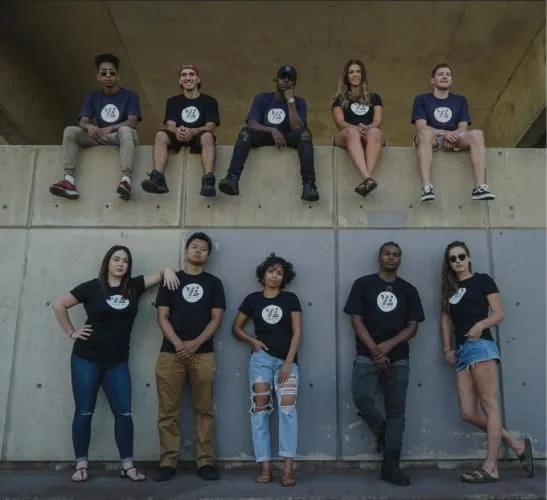
Visit
Silvia Parra
Individual

Silvia Parra

Founder of 'Mandalas for Peace' and 'Soulartnow' — collaborative works and energized environments that fuse art with well-being and sustainability, honored with the 2024 International Well-being Award.

Read full biography ↓

As a visionary and leader in the field of art and social well-being, Silvia Parra has transformed the perception of art through her profound ability to generate well-being, inspire, and unite people in a creative and unique manner. Through her innovative projects “Mandalas for Peace” and “Soulartnow,” the award-winning artist has managed to fuse art with social and ecological well-being in a singular way, promoting a positive and lasting impact on communities worldwide.

Mandalas for Peace This revolutionary project, a special guest at the last two Miami Happiness Festivals, merges art and healing power to offer unity, self-knowledge, and connection with peace and happiness in freedom. Silvia Parra’s initial inspiration was to artistically conceive a means to protect schools from bullying and aggression, bringing participants together to co-create collective mandalas. The project has evolved in other contexts and expanded globally, bringing its message of harmony to diverse cultures and communities.

Inspired by the diversity and interconnection of all forms of life, “Mandalas for Peace” creates collaborative works that nurture spaces and leave an energetic pictorial mark that radiates peace and well-being. These creations, aligned with the World Happiness Foundation’s Metapets, become a universal language that transcends cultural differences and builds bridges of understanding. By uniting “Mandalas for Peace” with Metapets, a powerful synergy is achieved where each mandala not only represents the harmony of the universe but also incorporates the essence and wisdom of the Metapets. This union enriches the artistic and spiritual significance of the works, promoting values of coexistence and respect for diversity.

Soulartnow Soulartnow has distinguished itself with its innovative approach to transforming common spaces into authentic energized artistic environments that not only beautify but also inspire and uplift the spirit of those who experience them. Under the visionary direction of Silvia Parra, Soulartnow has revolutionized spaces in hotels, schools, and universities and has now expanded to hospitals, airports, residences, and other public and private spaces. The conscious art used by Soulartnow explores crucial themes such as the environment, sustainability, equality, and diversity, creating works that not only capture the eye but also resonate deeply, fostering an environment of well-being, happiness, and sustainability.

Contributions and Recognitions Silvia Parra’s outstanding artistic management and curation in recent years have visibly propelled the growth and impact of these projects. Her leadership has facilitated collaboration among artists and generated opportunities that transcend borders, significantly contributing to the World Happiness Foundation’s mission to promote happiness, sustainability, and global well-being through art.

What distinguishes “Mandalas for Peace” is its unique energetic component, a quality that Silvia Parra imbues with unparalleled mastery. Each mandala is a vibrant work that transcends the visual and resonates deeply within those who contemplate it, creating a holistic experience of peace and serenity. This energy, subtle but powerful, transforms both spectators and spaces, radiating a sense of well-being that only Silvia’s art can achieve.

Future and Commitment Parra’s futuristic vision and commitment have made Soulartnow a global benchmark in integrating art as a catalyst for change and well-being. This award recognizes her exceptional contribution to art, well-being, and sustainability, celebrating her positive and lasting impact on communities around the world.

The World Happiness Foundation has considered Silvia Parra’s active participation as an arts leader across the foundation’s spectrum to be of utmost importance. Her focus on art as an essential tool to achieve the foundation’s goals for 2050—10 billion free, happy, and conscious people—is vital. Parra has demonstrated that art can be a unifying and transformative force, capable of inspiring significant social changes, promoting a deep sense of peace and well-being in communities, and fostering awareness and action towards sustainability.

Visit

Policy Making

2 laureates
The Organisation for Economic Co-operation and Development
Community

The Organisation for Economic Co-operation and Development

The OECD's Better Life Initiative and annual How's Life? report measure eleven dimensions of well-being beyond GDP across 40+ countries, guiding policy toward inclusive, sustainable progress.

Read full biography ↓

Although these concerns were already apparent throughout the years of strong growth and good economic performance that defined the beginning of this decade, the financial and economic crisis has exacerbated them.

For over a decade, the Organisation for Economic Co-operation and Development (OECD) has been working hard to find better ways to measure the progress of societies, moving beyond GDP and exploring those areas that matter to people’s lives.

In 2011, on the organization’s 50th anniversary, the OECD launched the Better Life Initiative to identify key dimensions of people’s life (besides income levels), such as reducing inequalities, improving quality of life, and preserving social and environmental capital. The ultimate goal was to make a comprehensive set of indicators for citizens and policymakers that encompass different areas that matter for people’s lives now and in the future.

For over twelve years, the OECD’s ‘ How’s Life? Measuring Well-Being ‘ report has been charting whether life has improved for people in thirty-six OECD countries (plus Colombia) and four partnering countries. The most recent 2020 edition reports that:

In many ways, life has improved in several aspects relative to 2010. People are living longer and safer lives; the average homicide rate has decreased by a quarter, and people feel safer walking alone in their neighborhoods. Employment rates are higher, as well as incomes, and people are more satisfied with their lives.

Improvements in the well-being of individuals and families characterize societal progress. To evaluate such progress, it is necessary to consider not only the functioning of the economic system but also the different experiences and living conditions of people.

What the OECD does is incredibly important, as they are dedicated to improving people’s quality of life via thorough research and sound policymaking. Their mission is to develop policies that promote prosperity, equality, opportunity, and well-being for all. We are proud to have this organization as one of our World Happiness Awards laureates. Join us in our celebration of people and communities, making this planet a better place for all!
Visit
Sanna Marin
Individual

Sanna Marin

Finland's former Prime Minister and champion of the Economy of Well-Being — a decision-making framework balancing social, economic and ecological sustainability for future generations.

Read full biography ↓

When Finnish Prime Minister Sanna Marin first took office in December 2019, it was hailed as a momentous event. Not only has she become the world’s youngest leader at the age of 34, but she also ushered in a new era of leadership for a modern, dynamic, and progressive Finland.

Marin’s famous coalition government, made up of five parties led by young, millennial women (four out of five party chiefs aged under 35), represented a breath of fresh air to the current political status quo. But Marin didn’t have much time for celebrations.

Just a couple of weeks into her role as Prime Minister, she faced a worldwide health crisis. When the World Health Organization declared the COVID-19 outbreak in March 2020, Marin was ready to put her action plan in motion and keep her country safe. Despite the unprecedented challenge she had to face so early into her PM career, Marin showed she had what it took to lead the country in a time of turmoil.

But Marin wasn’t anything typical, to begin with. From an early age, she was aware of her family’s financial problems and didn’t shy away from responsibility. She worked multiple jobs to support her mother and undertook to be the best she could be in school, eventually becoming the first member of her family to attend university.

As she once said in an interview: “My background influenced how I saw society, how I saw the equality between people. I decided to enter politics because I thought that the older generation wasn’t doing enough about the big issues of the future. I needed to act.”

That’s why pressing social issues such as gender equality, parity, homelessness, refugee support, welfare, and climate crisis are at the heart of her political agenda. She is also an active promoter of the economy of well-being that her government is implementing.

The economy of well-being is a decision-making approach that enables countries to achieve a better balance between the social, economic, and ecological dimensions of sustainable development. It creates opportunities to increase the well-being of people and support a sustainable economy at the same time.

The well-being economy can be defined in terms of material (housing, income, jobs) and quality of life factors (education, health, competence, and safety). For these factors to be realized, social, economic, and ecological sustainability must be established.

Visit

Work

2 laureates
Indeed
Community

Indeed

Publishers of the Work Happiness Score — the world's largest employee well-being dataset — measuring fourteen dimensions of workplace flourishing including belonging, purpose, flexibility, and fair pay.

Read full biography ↓

When Indeed launched for the first time its Work Happiness Score in March 2020, it had one simple but radical goal – to give job seekers a window into worker well-being. In doing so, they’ve managed to create the world’s largest work happiness study and accumulated the largest data set on employee well-being in the world.

In order to calculate the Work Happiness Score, Indeed has created a survey to measure people’s experiences at work. So far, the survey has been taken by more than ten million US employees and counting. The survey asks people if they feel happy at their place of work, but it also dives deeper into examining how stress, flexibility, learning opportunities, and other key dimensions impact their experiences.

Guided by prominent happiness and well-being experts such as Sonja Lyubomirsky, a distinguished professor of psychology, and Dr. Jan-Emmanuel de Neve, a professor of economics at Oxford, Indeed Work Happiness data highlights the important characteristics that contribute to well-being at work. The data includes:

By sharing their experiences openly, job seekers can better understand what it’s really like to work at a certain company. What drives one person’s well-being at work might not be the same for someone else. For instance, a person looking for a welcoming work environment should look for companies that rank high in inclusion. Or, if someone values professional growth, they should find a company where workers report a high learning score.

The Work Happiness Score also helps business owners understand how their workers actually feel and empowers them to create a happier workplace and stronger employer brand. That is why Indeed continuously gathers and displays this data on thousands of public employer profiles, providing transparency on worker well-being.

If you’re wondering why this matters, consider that most of us spend one-third of our adult lives at work. Most of our time and emotional capital is invested in our jobs. We should look for positions that mean more than just the money it pays. That begins with working for a firm that helps you flourish.

Because of this important initiative that inspires companies to foster environments where people can thrive and positively impact their lives and the world at large, we are proud to see Indeed as one of our World Happiness Awards laureates. Join us in our celebration of people and communities, making this planet a better place for all!

Visit
Yvon Chouinard
Individual

Yvon Chouinard

Founder of Patagonia who in 2022 transferred the company's entire $3B ownership to a trust and nonprofit so that all future profits fight the environmental crisis.

Read full biography ↓

This is how Yvon Chouinard, the founder of Patagonia , a well-known outdoor clothing company, and the self-proclaimed “existential dirtbag,” ended one very important letter to his staff, customers, and the public in September 2022.

In the letter, Chouinard announced that he was giving away all of his shares to a trust and a nonprofit dedicated to fighting environmental crises and defending nature. Patagonia, the famous outdoor gear company, is worth $3 billion.

As Chouinard explains, instead of going public, they are going purpose. This means rather than selling the company or taking it public, they have decided to transfer the company’s voting and nonvoting stocks to the Patagonia Purpose Trust and the Holdfast Collective, respectively.

With this specially designed trust and a nonprofit organization, they can preserve the company’s independence and values and ensure its yearly profits are used to fight the climate crisis and protect undeveloped land worldwide.

However, this incredible move is unsurprising to those who know this charismatic but reluctant businessman, a passionate climber, surfer, environmentalist, and philanthropist. For the past five decades of Patagonia’s existence, he used the company as an important resource for social and environmental activism.

The story of Patagonia started in the early seventies when Chouinard brought a couple of rugby shirts from his trip to Scotland and sold them to his climber friends. They’ve already loved buying climbing gear from Chouinard, which he made himself in a blacksmith shop (an actual chicken coop!) in his parent’s backyard.

The success was inevitable once he expanded into other clothing and equipment for climbing, making this adventurer, a man who spent 200+ days in a year sleeping under the open sky (he famously didn’t own a tent until he was forty), a successful businessman of a billion dollar company. However, as he once said, if he were going to be a businessman, it would be on his own terms.

These are just some examples of this inspiring man’s dedication and devotion toward the planet and nature itself. With his latest act, Chouinard hopes not just to make a positive change in the world but also to prompt others to do the same.

Visit

Research

3 laureates
World Happiness Report
Community

World Happiness Report

Annual publication of the Sustainable Development Solutions Network, powered by Gallup World Poll data, ranking life-satisfaction in 150+ countries and shaping the global conversation on well-being.

Read full biography ↓

This year marks the tenth anniversary of the World Happiness Report , a publication of the Sustainable Development Solutions Network (SDSN), powered by the Gallup World Poll data, which uses global survey data to report how people evaluate their own lives in more than 150 countries worldwide. The first report was published in 2012; since then, Gallup’s World Poll has been a primary source of global data behind the life satisfaction rankings released in the report.

It all started in 2011 when the UN General Assembly adopted resolution 65/309 Happiness: Towards a Holistic Definition of Development, inviting countries to measure the happiness of their people and use that data to guide public policy. This was followed by the first UN High-Level Meeting called Wellbeing and Happiness: Defining a New Economic Paradigm, chaired by UN General Secretary Ban Ki-moon and Prime Minister Jigmi Thinley. And so the first World Happiness Report was issued, outlining the state of world happiness, causes of happiness and misery, and policy implications. Since then, World Happiness Report has been issued annually, drawing international attention.

In the World Happiness Reports, experts in economics, psychology, national statistics, and survey analysis describe how measurements of well-being can be used to assess the progress of world nations, among other important topics. Every report is divided into chapters that delve deeper into happiness, mental health, benefits of happiness, policy implications, the importance of ethics, and links with OECD’s approach to measuring subjective well-being and other national and international efforts.

Despite world issues like the pandemic and the breakout of war in Ukraine, the latest World Happiness Report shines a bright light in dark times. The report offers three useful insights into promoting human well-being and welfare and how brands can positively impact people’s lives today. Based on a global survey of 119 countries, the World Happiness Report ranks countries by the happiness of their citizens, which is defined in terms of experiencing life positively. As seen before, Northern European countries are on top, with Finland and Denmark being the countries where people are at their happiest. At the bottom of the list are war-torn Afghanistan, Lebanon, and Zimbabwe. It is good to note that the data was collected before the escalation of the Russo-Ukrainian war.

One of the most promising findings of this year’s report is that it reveals the remarkable resilience of humans in the face of crisis and catastrophe. Despite the pandemic and its consequences, global happiness levels haven’t dropped significantly. The report notes that some of this resilience is down to human genetics, where people have the natural ability to see the positive in life despite dark times. For brands, the most useful insights come from data analytics which can be used as an outline for how brands can make a positive change in people’s lives. They are: (1) Benevolence drives well-being, (2) Freedom is key, (3) Money and health matter.

Every year we are fascinated and inspired by the hard work of the World Happiness Report researchers, and we couldn’t be more proud that they are one of this year’s World Happiness Awards laureates. Join us in our celebration of people and communities, making this planet a better place for all!
Visit
Martin Seligman
Individual

Martin Seligman

Founder of positive psychology and Director of the Penn Positive Psychology Center whose books — from Authentic Happiness onward — laid the scientific foundation for studying human flourishing.

Read full biography ↓

Known as the father of positive psychology, Dr. Martin E.P. Seligman is an award-winning American psychologist, lead educator, researcher, and author of over 30 bestselling books that make positive psychology accessible to everyone. Seligman is the Zellerbach Family Professor of Psychology in the Penn Department of Psychology and the Penn Positive Psychology Center director. He was also the President of the American Psychological Association in 1998, during which he promoted positive psychology as a field of scientific study.

While researching learned helplessness, Seligman discovered this to be a psychological condition in which humans or animals would behave or act helplessly in unpleasant or harmful situations, even when they had the power to change their circumstances. He saw a similarity with chronically depressed patients and argued that clinical depression partly results from a perceived lack of control over the outcome of the unpleasant situation.

In 2000, Seligman founded the field of positive psychology. Since then, he has devoted his time, knowledge, and career to furthering the study of positive emotion, positive character traits, and positive institutions. In collaboration with Christopher Peterson, Seligman created a counterpart to the Diagnostic and Statistical Manual of Mental Disorders (DSM), called ‘Character Strengths and Virtues.’ In contrast to the DMS, which points out what can go wrong, Seligman and Peterson wanted to point out what can go right.

Positive psychology is a fascinating field that examines what makes people thrive. The idea hit Seligman during a conversation with his daughter. Until that moment, modern psychology mainly focused on human weaknesses and suffering, the things that were wrong with us, and how to fix them. Talking with his young daughter, Seligman realized that we wouldn’t purposefully raise our children by focusing solely on their weaknesses. We would also want to understand their strengths and how to boost them. He decided that psychology should do the same – it should invest as much in figuring out what makes us happy as it does in studying what makes us sad.

Up to that point, there was little science to back this theory up, so Seligman had to bring an organized focus to this area of research. As he explains: ‘I created a big tent that brought a large number of researchers together and mainstreamed their work into psychological science.’ His findings were eventually described in his book ‘ Authentic Happiness ,’ where he talks about three dimensions of happiness that can be cultivated:

Due to his tireless work, the field of positive psychology has flourished, with more than a dozen conferences held on the subject every year and even more courses taught at universities worldwide. We are proud to see this inspiring and eminent psychologist, educator, and researcher as one of our World Happiness Awards laureates. Join us in our celebration of people and communities, making this planet a better place for all!

Robert Waldinger
Individual

Robert Waldinger

Director of the Harvard Study of Adult Development — the longest study on happiness — showing that the quality of our relationships is the strongest predictor of long-term health and joy.

Read full biography ↓

In 1938, scientists began tracking the health of 268 Harvard students hoping to gain insight into what helps us lead happier and healthier lives. And the study has continued over the last eight decades, making it the longest study on happiness. The research has studied the lives of the participants, including the highs and lows of their careers and relationships. Over the decades, the control groups have expanded. And the findings have been surprising and enlightening.

Clinical Professor of Psychiatry at Harvard Medical School Dr. Robert Waldinger is the project’s director. Dr. Waldinger is also the Director of the Center for Psychodynamic Therapy and Research at Massachusetts General Hospital, and Director of the Harvard Study of Adult Development. He says that “our relationships and how happy we are in our relationships has a powerful influence on our health”. Dr. Waldinger says, “Personal connection creates mental and emotional stimulation, which are automatic mood boosters, while isolation is a mood buster.” He adds, “Taking care of your body is important, but tending to your relationships is a form of self-care too. That, I think, is the revelation.”

Another one of Dr. Waldinger’s observations on the key to happiness based on the research involves our changing mindset as we get older. Dr. Waldinger shares that as we grow older, we tend to realize how short life is and are more likely to pay attention to what makes us happy. Dr. Waldinger says, “When you are older you have more opportunity to return to the activities you associate with happiness.” For some people, this could mean engaging in a hobby they once loved as a child. For others, it could be recognizing the opportunity to let go of toxic relationships and instead, only surround themselves with positive people and interactions.

The research led by Dr. Waldinger is significant because it tells us how our relationships with our family, friends, social circles, partners, and community have a strong impact on our happiness and health. And the choices we make regarding who to engage with, connect with, and socialize with can influence how happy we can be throughout our life. Being happy is so much more than good mental health and well-being. Happiness can help us become physically healthier. Happiness protects our health by helping us sleep better, lowering our risk for cardiovascular disease, and leading us toward healthier behaviors. Positive emotions such as happiness combat stress, strengthen the immune system and improve chronic conditions – which help lengthen our lives.

Currently, Dr. Waldinger is studying the over 2000 children of the men involved in the original study. The research includes an examination of their childhood experiences and their impact on their health and well-being. Also in 2023, Dr. Waldinger answers the question “what does ‘the good life’ look like?” and will make the findings of the Harvard study public through his book, The Good Life , which will be available on January 10 th , 2023.

Communications

1 laureate
La Cara Buena del Mundo
Community

La Cara Buena del Mundo

María Díaz's digital newspaper sharing only good news from around the world — sustainable projects, scientific discoveries, and inspiring stories — as a counterweight to news fatigue.

Read full biography ↓

The more we try to keep up with the latest news, the more we find ourselves sad. It seems like wherever we turn, only bad things happen, and when bad news piles up, it can be very difficult to resist getting bogged down by it all.

It’s clear to see how a news cycle that is constantly updated 24/7 and readily accessible on devices wherever we are in the world can significantly influence our mental health and leave many of us feeling anxious and depressed.

And who would blame you for feeling so? Just look at the current state of affairs in the world: the Ukraine war, COVID-19, mass killings, racism, political conflicts, you name it. It’s no wonder many people choose to stop reading or watching the news anymore. News fatigue turns to news avoidance in no time.

María Díaz was the same. Amid the pandemic and lockdown, she had enough bad news, so she decided to create a means of communication in which only positive news is shared – La Cara Buena del Mundo . This digital newspaper, made up of solely good news from around the world, owes its name to Pau Donés and his famous song “El lado oscuro.”

The La Cara Buena del Mundo project has been conceived and developed to share good vibrations and hope. Avoiding depressing, scandalous, and devastating news, the platform shows only the good side of the world. It stays clear from political issues and has no religious ideologies. However, it has only one filter – positivism.

During her coronavirus confinement, Maria felt it was important to look for positive news to balance the negativity people were bombarded with in the media. She wanted to share the wonderful things that happened every day, which would often go unnoticed – discoveries, sustainable projects, advances in science and technology, inspiring stories, etc.

The followers of the La Cara Buena del Mundo portal are those who understand the importance of staying positive in times of crisis, and they thank Maria every day for her work. As she says: “Every article is a new reason to smile. If you have a bad day, your corner of optimism and good vibrations awaits you here.”

Diaz also notes that the power of media is immense, and she feels journalists need to use it more to do social good – to cheer and motivate people and raise awareness on other important but positive subjects. For Diaz, social good is any action that leads to the improvement of society and the world.

Visit

Education

2 laureates
Waldorf Schools System
Community

Waldorf Schools System

Global movement of 1,000+ Waldorf schools and 2,000+ kindergartens in 60 countries, integrating body-soul-spirit pedagogy and the arts across every subject from preschool through twelfth grade.

Read full biography ↓

Waldorf education has its roots in the spiritual-scientific research of the Austrian scientist and philosopher Rudolf Steiner. Working from esoteric traditions and natural science, Steiner developed a three-fold vision of the human being, comprised of body, soul, and spirit. He named this spiritual element of his work Anthroposophy. With time, Steiner’s work extended into medicine and pharmacology, biodynamic agriculture and farming, and eventually into political and social activism. The educational branch of Anthroposophy, Waldorf Education, was born out of this activism.

The first Waldorf school opened in 1919 in Stuttgart, Germany. Over the next decades, Waldorf opened more than a thousand schools in sixty countries. Through its evolution, Waldorf has inspired the creation of many public and charter schools, home-schooling programs, and academies. There are over 2000 kindergartens and 650 centers for this kind of special education. This is, without a doubt, one of the largest independent school movements in the world.

Waldorf education aims to inspire the child’s spirit while eliciting academic excellence through educational artistry. Waldorf students can develop an understanding and respect for the world’s various cultures through their classroom experience and the celebration of seasonal festivals of the year. Drawing on many traditions, Waldorf education celebrates our humanity, not our separateness in belief or practice. Alongside Waldorf schools worldwide, this organization also graduates lifelong learners who give purpose to their lives and communities.

Waldorf schools provide a developmentally appropriate, experiential, and academically rigorous approach to education that integrates the arts in all academic disciplines for children from preschool through twelfth grade. Waldorf education creates a deeply meaningful learning process upon which experience, not just acquisition, underscores knowledge, thereby encouraging students to be active thinkers. Their lessons balance cognitive and emotional intelligence with a physical activity where each assignment integrates academic work with fine and practical arts. Waldorf’s curriculum stresses practical knowledge and creativity. Their graduates are known for their flexibility, creativity, and willingness to take intellectual risks. Waldorf graduates are inventive thinkers and resilient idealists who cultivate appreciative regard for a world they seek to improve.

Many researchers have shown that the impact of electronic media can have detrimental effects on a young child’s healthy growth and development. That’s why Waldorf school encourages parents to incorporate their progressive practice into their children’s daily lives. Technology is gradually introduced during middle school in a meaningful curriculum, and technology and media are fully integrated into the high school program to prepare students for college and beyond.

Waldorf sees every child as infinitely precious, that is why they welcome children of all races, socioeconomic classes, genders, and abilities. They are committed to the work of diversity, equity, and inclusion to continue to find ways to shape an environment in which each child feels seen and heard. We are amazed and inspired by this one-of-a-kind school system, and we are proud to see the Waldorf school system as one of our World Happiness Awards laureates. Join us in our celebration of people and communities, making this planet a better place for all!
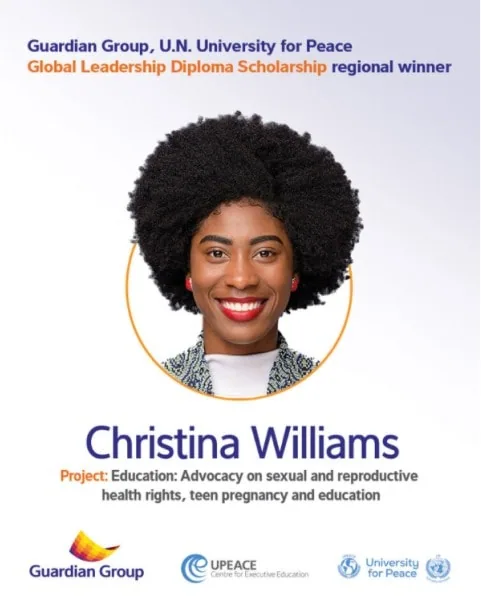
Richard Rudd
Individual

Richard Rudd

Mystic, poet and author of The Gene Keys and The Art of Contemplation — synthesizing biology, psychology, the I Ching and mystical traditions into a global community of contemplative practice.

Read full biography ↓

Richard Rudd is a mystic, author, award-winning poet, and international spiritual teacher. Rudd is the author of the seminal spiritual book ‘ The Gene Keys ‘ and ‘The Art of Contemplation,’ as well as several other books, audio series, and courses.

Born and raised in England, Rudd attended the University of Edinburgh, where he immersed himself in comparative religion, Jung and psychology, and esoteric mysticism while earning a master’s degree in English literature and Metaphysics. A born explorer, Rudd has traveled the world extensively and studied with great teachers in the East, traveling through the Himalayas, the Pacific, the Artic, and the Americas.

In the United States, Rudd began a deep course of study with Taoist master Mantak Chia, later becoming an instructor of Qigong and Taoist meditation. Rudd also met Grand Master Hua Ching Ni, a renowned Taoist teacher and an expert in the I Ching. Master Hua Ching Ni had a profound influence on Rudd, empowering him to become a teacher of the Tao. Rudd lived in Manhattan, Oregon, and Hawaii during this time before returning to the UK in 1998.

Rudd’s inner journey began early in his life as he experienced strange energies rushing through his body, but it all culminated in a profound spiritual experience at the age of 29. Once Rudd returned to England, he had a spontaneous awakening experience that radically changed his life. He spent three days and nights in what he described as a ‘field of limitless light,’ during which he was entrusted with sacred teaching – the wisdom of the Gene Keys.

The next seven years were a challenging period for Rudd. He tried to fully integrate the powerful spiritual transmission he experienced, struggling to come to terms with his glimpse of a higher reality. During this time, Rudd met Ra Uru Hu, the founder of the Human Design System, and became a student of Human Design. Together with the I Ching, this would inform the greater synthesis that became The Gene Keys.

While writing The Gene Keys, Rudd amalgamated a multitude of different sciences, spiritual streams, and transmissions, including biology, genetics, psychology, quantum physics, sociology, astrology, secret geometry, Tarot, and Kabbalah, along with mystical, indigenous, and esoteric knowledge from various cultures and timelines. Once the book was written, Rudd began sharing its spiritual teachings, showing how they could be applied to our everyday life to bring a deeper sense of purpose and fulfillment in our relationships while significantly increasing our health and prosperity. The Gene Keys continue to grow in popularity and have brought together a global community committed to modeling the higher principles described in the book.

As a mystic and a spiritual teacher, Rudd is known for his gentle spirit and active encouragement of his students and community to connect with the divinity of our everyday lives through work, family, and relationships. But, as he says, he is not a guru but an ordinary, fallible man. However, for us, he is an inspiring teacher of the greater good and a worthy World Happiness Awards laureate. Join us in our celebration of people and communities, making this planet a better place for all!
Visit

Health

2 laureates
Office of the U.S. Surgeon General
Community

Office of the U.S. Surgeon General

Dr. Vivek H. Murthy's Framework for Mental Health and Well-Being in the Workplace — five essentials (safety, connection, work-life harmony, mattering, growth) that shift wellbeing from individual to collective priority.

Read full biography ↓

Dr. Vivek H. Murthy, the U.S. Surgeon General, has issued a Framework for Mental Health and Well-Being in the Workplace . It is a compelling call to action for employers to ensure their employees’ safety and well-being, especially those at risk.

It is a fact that our workplaces play an important role in our lives. Work can positively and negatively affect our physical and mental health. One of the things that the COVID-19 pandemic has highlighted is the importance of balancing work and personal life.

These alarming numbers prompted Dr. Murthy to release the Framework and offer a foundation that workplaces can build upon. It is built on five essentials for mental health and well-being in the workplace and is on the worker’s voice and equity. Each essential is rooted in two universal human needs shared across roles and industries.

The Surgeon General’s Framework for Workplace Mental Health and Well-Being calls for employers to step up to their responsibilities and shift from thinking about well-being and mental health as an individual thing to a collective priority.

Creating a company culture that is mentally healthy and where everyone can thrive is incredibly important, and that’s why the Office of the U.S. Surgeon General and Dr. Murthy is one of this year’s World Happiness Awards laureates. Join us in our celebration of people and communities, making this planet a better place for all!

Visit
Individual

Thomas Hübl

Spiritual teacher and co-founder of The Pocket Project whose Collective Trauma Integration Process and annual Collective Trauma Summit convene 100,000+ participants to heal intergenerational wounds.

Read full biography ↓

In today’s interconnected world, humanity has unprecedented access to information about the disasters and tragedies happening worldwide. Still, instead of becoming more informed and engaged, people are getting overwhelmed. They are experiencing compassion fatigue, a condition of emotional and physical exhaustion leading to numbness, depression, and indifference.

But the problem with all of this isn’t just our inaction. If humanity continues to turn away from the world’s suffering, it will perpetuate painful cultural shadows that lay behind collective and historical trauma. Global trauma, according to Thomas Hübl , a renowned spiritual teacher, mystic, and author, is at the heart of many atrocities and conflicts (past and ongoing) that plague the world today.

He explains, “ Collective trauma is not an idea; it’s a tremendous amount of energy that hasn’t been processed yet but influences our daily thinking and feeling, and relationships. It has created shadow structures in society that we assume are normal. The only way to address this is to create conscious structures that will support resourcing and awareness processes.”

Once a paramedic and medicine student, Thomas Hübl left his studies to spend four years in deep meditation in an independent retreat in Czechoslovakia. This gave him a new direction in life, centered on teaching meditation and mindfulness-based awareness techniques.

Once he came out of the retreat, Hübl began holding his own retreats, incorporating his profound realizations with a passion for science. Hübl’s retreats and online courses, many of which he co-teaches with academics, are centered on science and what he refers to as mystical principles taken from wisdom traditions of Taoism, Buddhism, and the Kabbalah.

In the early 2000s, when he began hosting retreats in Austria and Germany, attendees started speaking up about the intergenerational traumas they had inherited from World War II. This inspired Hübl to devise the “ Collective Trauma Integration Process ,” a model that encourages participants to open up and share their thoughts and feelings in an atmosphere of trust and safety.

Over the years, Hübl started inviting Germans and Israelis to meditate together and work through their histories. The idea of nurturing ‘pockets’ of clarity throughout the world inspired Hübl and his wife, the Israeli artist Yehudit Sasportas, to create “ The Pocket Project ,” a non-profit that supports the healing of collective trauma throughout the world.

The project was launched in 2017, and since then, similar initiatives have emerged in Israel, Argentina, and the U.S., intending to explore the country and regional trauma. Participants from his early training courses have launched the Witnessing in Empathy, an offshoot initiative that hosts meditation retreats at the former Birkenau and Auschwitz concentration camp sites.

Visit

Technology

1 laureate
The Digital Wellness Institute
Community

The Digital Wellness Institute

Certification and consulting organization behind the Digital Flourishing® model — an eight-element framework for productive, humane, well-being-centered technology use in schools, workplaces, and everyday life.

Read full biography ↓

We all know the amazing benefits that digital technology provides to us. However, too much of anything is bad. With so many people spending more than half of their day on some device, we cannot ignore the negative effects of too much screen time.

Digital technology can negatively impact our sleep, mental health, relationships, and ability to be productive and focused on work. What is needed is a targeted approach to improving digital wellness in order to create lasting cultural and behavioral change – once and for all.

The Digital Wellness Institute provides the solution to this problem. This organization is a catalyst for transformational change in the understanding and implementation of digital wellness practices. It offers certificate programs and other educational resources to equip learners with the terminology, models, and tools necessary to create positive, sustainable change through the use of technology.

What is digital wellness? It is the optimal state of health and well-being that any technology user is capable of achieving. The team behind the Digital Wellness Institute is passionate about helping individuals and organizations attain digital wellness and create a positive digital culture – with higher productivity and engagement rates , better retention and recruitment, stronger loyalty from employees and customers, and improved overall well-being.

Their work is based on The Digital Flourishing® model, a patented framework designed to help individuals incorporate beneficial digital practices in their education, employment, or personal lives. The model, which consists of eight elements of digital wellness, was developed in collaboration with North America’s foremost experts and academics.

This innovative, empowerment-oriented approach is implemented through courses, certification, and consulting with the objective of enhancing holistic wellness and the understanding that many factors are interconnected.

The Digital Flourishing® model is a conscious approach to digital technology usage that promotes the flourishing of individuals in various aspects of life, enabling them to reap the benefits of technology while avoiding its related ills.

Hundreds of businesses, universities, and individuals have benefited from the Digital Wellness Institute’s guidance on how to improve their mental health and productivity through positive digital culture. Their approach is truly innovative, and we are more than proud to see them as one of the World Happiness Awards laureates. Join us in our celebration of people and communities, making this planet a better place for all!

Visit

Cities

1 laureate
Community

City of Málaga

Under Mayor Francisco de la Torre, Málaga has become one of Spain's most livable cities — celebrated for its Happiness Research Institute ranking, sustainability, and world-class arts and culture scene.

Community of the Year

1 laureate
Cities leading on climate action
Community

Cities leading on climate action

Recognizing Tokyo, Copenhagen, Singapore, Melbourne, Munich, and San Francisco for zero-emissions strategies, waste reduction, and climate plans aligned with the Paris Agreement.

Catalyst

1 laureate
Women Raising Their Voices for Equanimity and Equality
Individual

Women Raising Their Voices for Equanimity and Equality

Honoring Niloofar Hamedi (Iranian journalist), Mijiyawa Rahile (Togolese activist), Wajeha al-Huwaider (Saudi writer and activist), and Major Winnet Zharare (Zimbabwean peacekeeper) for advancing gender equality worldwide.

Want to sponsor a category?

Sponsoring a category is one of the most visible ways for organizations to stand behind the science and practice of happiness.

Contact us

Nomination & recognition criteria

Nominations open annually. Anyone can nominate a Happytalista whose work meets the criteria of impact, integrity, and generativity.

Nominate now
World Happiness Awards

Every laureate is a lighthouse.

Explore past winners, nominate a Happytalista, or bring a category into your city.