
From Congress Hall to School of Happiness: Confucius, Vietnam’s XIV Party Congress, and the Rise of Happytalism
Hanoi has a particular kind of energy in January—quiet streets

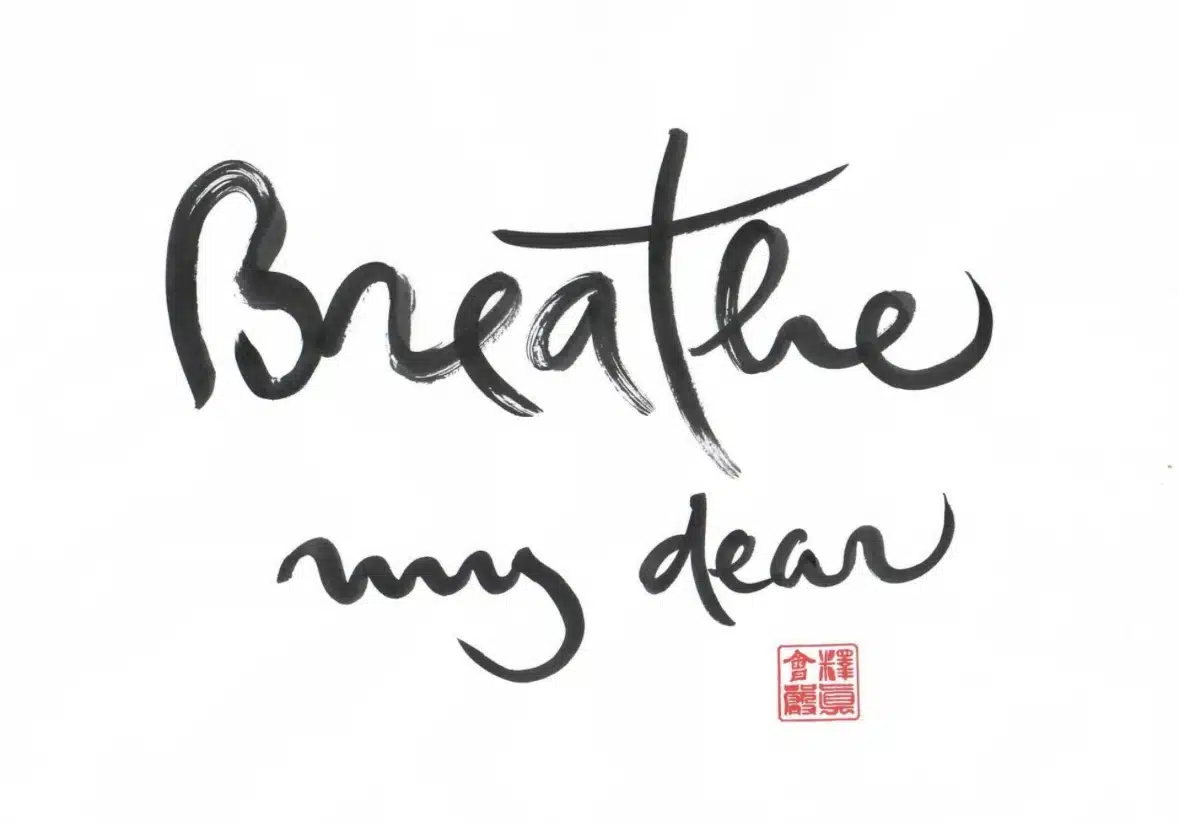

I’m traveling in Vietnam now—the land that gave the world Thích Nhất Hạnh, known lovingly as Thầy, “teacher.”
And I keep noticing something: Vietnam doesn’t ask me to be calm. Vietnam asks me to be alive.
Scooters stream like schools of fish. Sidewalks become kitchens, conversations, commerce, and kindness. Incense smoke rises in thin prayers from temples tucked beside the ordinary. And in the middle of all this movement, Thầy’s teaching returns like a steady light:
Peace is not something I reach later. Peace is what I practice now.
Thầy wrote and taught for a lifetime—more than a hundred books, countless talks, countless cups of tea offered in silence and presence.
And when I gather the essence of it all—when I reduce it down to what I can carry in a backpack and in a breath—what I find is not a complicated philosophy.
I find a way of being human that doesn’t abandon anyone—not myself, not the stranger, not the Earth.
This is the heart of my Fundamental Peace approach: not peace as a mood, but peace as a foundation. Not peace as performance, but peace as practice. Not peace as “my private inner life,” but peace as the very way I touch the world.
Thầy taught mindfulness as a kind of returning—returning to the body, to the breath, to the one life that is actually happening: this one.
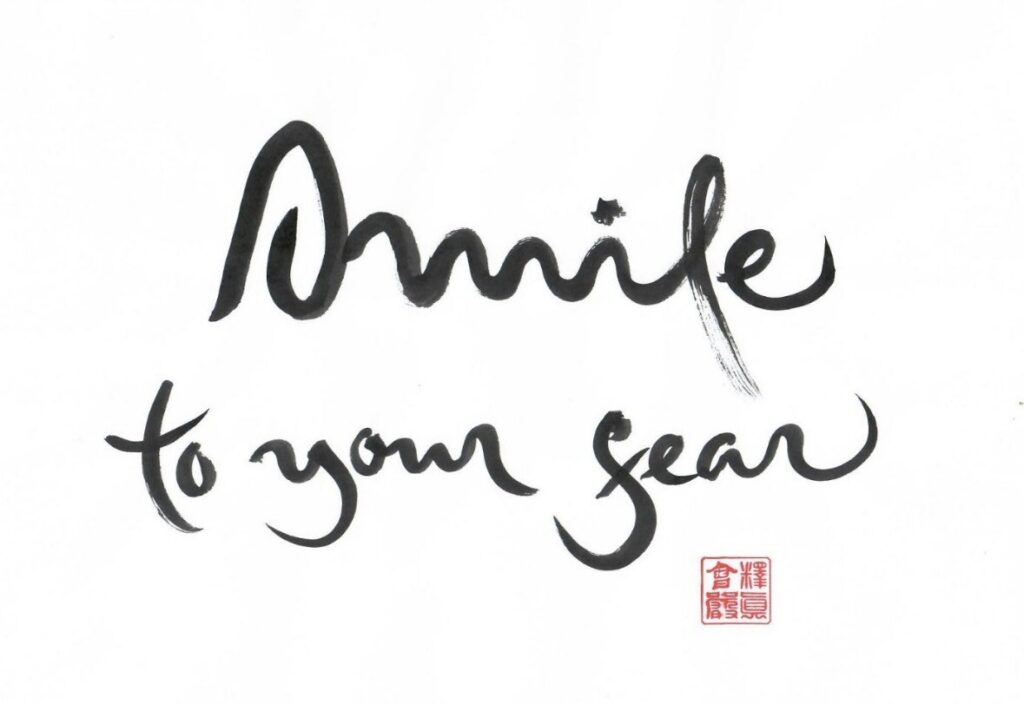
He offered practices so simple they can’t be copyrighted by the mind: breathe, walk, smile, notice.
And one of the most powerful lines I’ve ever carried is a walking gatha from his tradition:
“I have arrived. I am home… in the here, in the now.”
Home is not a building. Home is the moment I stop running from my life.
So on Vietnam’s streets, my first Fundamental Peace move is not to fix anything. It’s to arrive.
Fundamental Peace begins with the courage to be here.
Thầy warned us (gently, of course): if we treat mindfulness like a tool to get something else—success, productivity, status—we miss the point. Mindfulness isn’t a trick. It’s a way of living, and it’s inseparable from how we act.
That line alone reshapes my whole approach:
This also means: mindfulness is not neutral. If it’s real, it naturally becomes ethical.
Thầy translated ethics into daily life through the Five Mindfulness Trainings—a modern, nonsectarian expression rooted in the Buddha’s precepts, meant to bring mindfulness into every area of life.
They are not commandments. They are a compass.
They guide me toward:
When I travel, these Trainings become extremely practical.
Fundamental Peace isn’t delicate. It holds up in a market, in a bus station, in a missed connection, in disappointment.
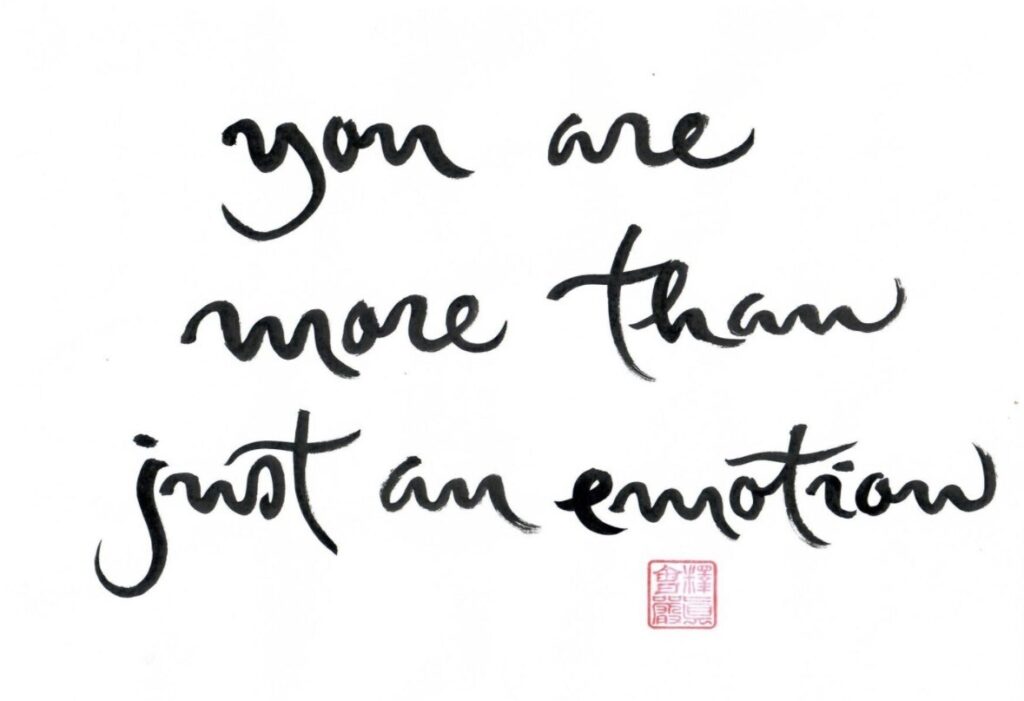
Thầy’s teaching of interbeing (a term he coined) is like switching on a light in the worldview itself: I am not a separate self walking through a world of “others.” I am a relationship. I am made of conditions. I inter-are with everything.
This is not just poetry. It’s a practice.
Interbeing changes how I look at a bowl of rice.
It changes how I look at a plastic bottle.
It changes how I look at the person who frustrates me.
Because if we truly “inter-are,” then compassion is not optional. It’s accurate.
Fundamental Peace, then, is not “my inner calm.” It’s a way of seeing that makes kindness the natural response.
Thầy spoke to politicians, activists, families, strangers—anyone who would listen—and he kept returning to the same truth: violence is fed by wrong perceptions, and the medicine is deep listening, mindfulness, and gentle communication.
This is revolutionary when traveling, because travel brings friction:
So I practice peace at the level where wars begin: speech and perception.
I try to listen like this:
And when I speak, I practice “lighthouse speech”:
If I want peace in the world, I start by making peace in conversations.
Thầy never taught that we should be positive all the time. He taught we can handle our suffering—recognize it, embrace it, look deeply into it—so that it changes form.
Fundamental Peace is not numbness. It’s intimacy with life.
When loneliness visits on the road, I can treat it like an enemy—or like a bell of mindfulness:
This is how peace becomes stable: not by avoiding pain, but by transforming our relationship to it.

Even the strongest traveler needs refuge. Thầy emphasized Sangha—community—because individual practice is real, but collective practice is sustaining.
And one of the most practical community gifts from his tradition is Beginning Anew—a practice designed to cultivate kind speech and compassionate listening, and to restore connection.
Even if I’m traveling solo, I can practice its spirit in my relationships:
Fundamental Peace doesn’t pretend we won’t have conflict. It gives us a way back.
Thầy’s mindfulness was never meant to shrink our world. It was meant to enlarge our heart until it included the Earth.
He taught that we cannot separate human beings from the environment, and that responding to crises requires more than technology—it requires community, cooperation, and a deep change in how we live.
And he put it simply: we need to wake up and fall in love with the Earth.
So Fundamental Peace is not passive. It has a pulse.
It asks:
This is the deepest lighthouse beam: peace that shines outward because it is rooted inward.
When my mind gets loud, I don’t need a long retreat. I need a small practice I can do anywhere—on a train, in a café, by the sea, beside a temple wall.
Here’s the ritual I’m carrying:
I walk slowly for ten steps—no phone, no destination for ten steps—just to remember that peace is a way of walking.
If I need words, I use:
“I have arrived. I am home.”
Each day, I offer one sentence that’s clean and kind:
I choose one ordinary thing—tea, rain, rice, a tree—and I look long enough to see that it is made of the whole world.
Some days it’s consumption. Some days it’s patience. Some days it’s not posting something mean.
I let the Trainings guide me back toward a life that protects and heals.
Thích Nhất Hạnh entered monastic life in Vietnam as a young person, and his teachings grew into a worldwide community of practice—always returning to the basics: breathe, walk, listen, love.
That’s why this works on the road.
Because a lighthouse doesn’t argue with storms.
It doesn’t chase ships.
It simply stays lit—steadily—so travelers can find their way.
My Fundamental Peace approach, inspired by Thầy, is the same:
And then I keep walking.
Because peace is not waiting for me at the end of the journey.
Peace is every step.
Plum Village Community of Engaged Buddhism, Inc. Wake Up Schools
Hanoi has a particular kind of energy in January—quiet streets
In the heart of Vietnam – the homeland of Zen
Swami Vivekananda Ji: A Living Impact on Strength, Service, and